2026 Best Water Sump Pump Buying Guide for Global Buyers?
In recent years, the demand for reliable water sump pumps has increased dramatically. Data from the Global Pump Manufacturers Association highlights that the market has grown by approximately 15% per year. Water sump pumps play a crucial role in preventing flooding and water damage in residential and commercial properties. With climate change leading to more extreme weather patterns, purchasing the right sump pump is essential.
However, buyers face challenges due to the variety of models and features available. A report by the Home Improvement Research Institute indicates that many consumers lack the necessary knowledge to select an ideal pump. This can lead to suboptimal choices that may not meet their specific needs. Understanding the critical specifications of a water sump pump is vital in making an informed decision.
As you explore the best options available in 2026, consider performance, energy efficiency, and durability. Each factor significantly influences the pump's effectiveness. The right choice can enhance your home's protection against water damage. Yet, it is easy to overlook essential details during the selection process. Thus, informed decision-making is key to safeguarding investments and ensuring peace of mind.

Understanding the Importance of a Sump Pump in Flood Prevention
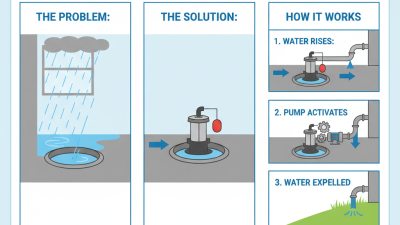
Sump pumps play a critical role in flood prevention for homes, particularly in flood-prone areas. They help to remove excess water from basements and crawl spaces. In fact, according to the National Flood Insurance Program (NFIP), the average flood insurance claim can exceed $30,000. Installing a sump pump can significantly reduce this risk.
Research indicates that 60% of homes in the U.S. are at risk for basement flooding. Rainfall, snowmelt, and high groundwater levels can overwhelm drainage systems. As a preventive measure, sump pumps can effectively mitigate these risks. These devices are designed to activate when water levels reach a certain height, ensuring quick removal.
While the importance of such systems is undeniable, many homeowners neglect maintenance. Regular inspections and pump tests can identify potential failures before they occur. Without routine checks, efficiency may diminish over time. This could lead to property damage and costly repairs when the pump fails during critical moments. Balancing cost and effectiveness in selecting the right sump pump is essential for long-term protection against water damage.
Key Features to Look for in High-Quality Water Sump Pumps
When shopping for a water sump pump, there are several key features to consider. First, check the pump's horsepower. A higher horsepower means the pump can handle larger volumes of water. Look for pumps with at least 1/3 horsepower for residential use. However, a heavy-duty job may require a pump with more power. This can be a reflection of your specific needs and environment.
Another essential feature is the pump's material. Cast iron models tend to be more durable than plastic ones. They can better withstand harsh conditions and resist corrosion. It's crucial to assess the longevity of a material before making a choice. Look for pumps that offer a good warranty, indicating confidence in their durability.
Consider the pump's float switch. This mechanism controls when the pump turns on and off. A reliable float switch ensures that the pump operates efficiently. Look for adjustable settings that can adapt to changing water levels. A malfunctioning switch can lead to water damage, making this an important aspect to prioritize.
A useful tip: check the pump's noise level before purchasing. Some pumps can be quite loud, disrupting your daily life. A quieter model may make for a better choice, allowing for more peaceful home environments. Be patient; the right pump may take time to find. Adjusting your preferences based on actual experiences can lead to better decisions.
2026 Best Water Sump Pump Buying Guide for Global Buyers
| Feature |
Description |
Importance |
Recommended Specification |
| Power Source |
Electric or battery-operated options |
High |
At least 1/2 HP for effective pumping |
| Pump Material |
Durability and resistance to corrosion |
Medium |
Stainless steel or high-grade thermoplastic |
| Maximum Capacity |
Volume of water pumped per hour |
High |
2000-3000 gallons per hour |
| Switch Type |
Manual, tethered float, or vertical float |
Medium |
Tethered float for better sensitivity |
| Auto Activation |
Automatic turn-on when water level rises |
High |
Essential for flood prevention |
| Noise Level |
Operational noise during running |
Low |
Below 70 dB |
| Warranty |
Length of manufacturer’s warranty |
Medium |
At least 2 years |
Comparing Different Types of Sump Pumps: Submersible vs. Pedestal
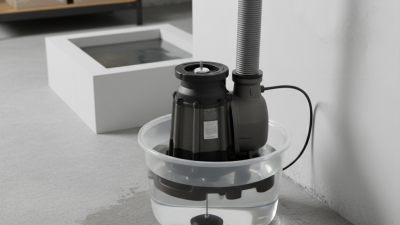
When choosing between submersible and pedestal sump pumps, understanding their differences is crucial. Submersible pumps sit underwater in the sump basin. They are effective at pumping out large volumes of water quickly. According to a report by the Home Improvement Research Institute, these pumps can handle about 2,500 gallons per hour. This makes them ideal for flooding situations, providing efficiency when time is of the essence.
On the other hand, pedestal pumps are positioned above the sump pit. They work by drawing water up through a pipe. This type allows for easier maintenance, as the motor is not submerged. However, they tend to be less powerful. Their flow rate often caps at around 1,500 gallons per hour, according to industry data. This limitation means they may not be as effective in heavy flooding scenarios. Each type has its own pros and cons to consider.
Another factor to weigh is lifespan. Submersible pumps may have a shorter lifespan due to being submerged in water. They can suffer from wear and corrosion over time. Pedestal pumps, being above water, might last longer, but their reduced power could leave homeowners unprepared during heavy rain events. Understanding these nuances can guide buyers in making the right choice tailored to their unique needs.
Analyzing the Performance Metrics: Horsepower, Flow Rate, and Lift
When considering a water sump pump, performance metrics are crucial. Horsepower is a primary factor. It impacts the pump's ability to move water efficiently. A higher horsepower usually means better performance. However, excessive horsepower may lead to increased energy costs. Striking a balance is essential for long-term value.
Flow rate is another significant metric. It measures how much water can be pumped in a specific time. A good flow rate ensures that your pump can handle heavy water influx efficiently. Often, buyers overlook the importance of calculating the required flow. Assessing your needs is vital; consider peak water levels during rainstorms.
Lift is about how high a pump can move water. It varies based on design and motor strength. If the lift is inadequate, the pump will perform poorly, even if horsepower and flow rate are high. Buyers should analyze their specific needs to avoid disappointment.
Consider these tips. Examine the area you'll use the pump in. Calculate the necessary lift and flow rate for your situation. Doing this will help you avoid issues in the future. Remember, investing time in research pays off when selecting the right sump pump.
Top Brands and Models of Sump Pumps: Market Leaders and Consumer Ratings
When considering the purchase of a sump pump, the market is brimming with options. Various brands lead the industry, each offering distinct advantages and features.
Understanding the layout of these products is essential. High-capacity pumps often handle significant water volumes but may be bulkier. Compact models save space yet might lack power. Consumer ratings provide insights into reliability and performance. Unbiased reviews are vital, highlighting both strengths and weak points.
Some buyers prioritize energy efficiency. Others focus on durability. It's worthwhile to evaluate the materials and warranties. Knowledge about installation is equally crucial. Some pumps are straightforward to set up, while others may need professional help. Users often express frustration when pumps fail to perform as expected.
Market trends can shift rapidly. Newer technologies may improve pump performance, but they may also complicate user experience. Researching current consumer feedback can shed light on these advancements. Consider asking questions on forums or local groups. Engaging with experienced users can clarify expectations and frustrations.