What is a Back Up Sump Pump and Why You Need One?
A back up sump pump is an essential device for homeowners. It provides protection during heavy rainstorms. Water damage can cause significant issues. Thomas Miller, a leading expert in flood prevention, emphasizes, "A back up sump pump can save your home from disaster."
When the primary sump pump fails, a back up system kicks in. This ensures your basement stays dry, even when the unexpected happens. Many homeowners overlook this important appliance. However, the cost of water damage can far exceed the cost of a back up sump pump.
Without it, you risk facing extensive repairs and loss of valuables. Some may think a regular sump pump is enough. But disasters rarely give warnings. In high-risk areas, a back up sump pump is crucial. It’s not just a luxury; it's a necessity for peace of mind.
What is a Back Up Sump Pump?
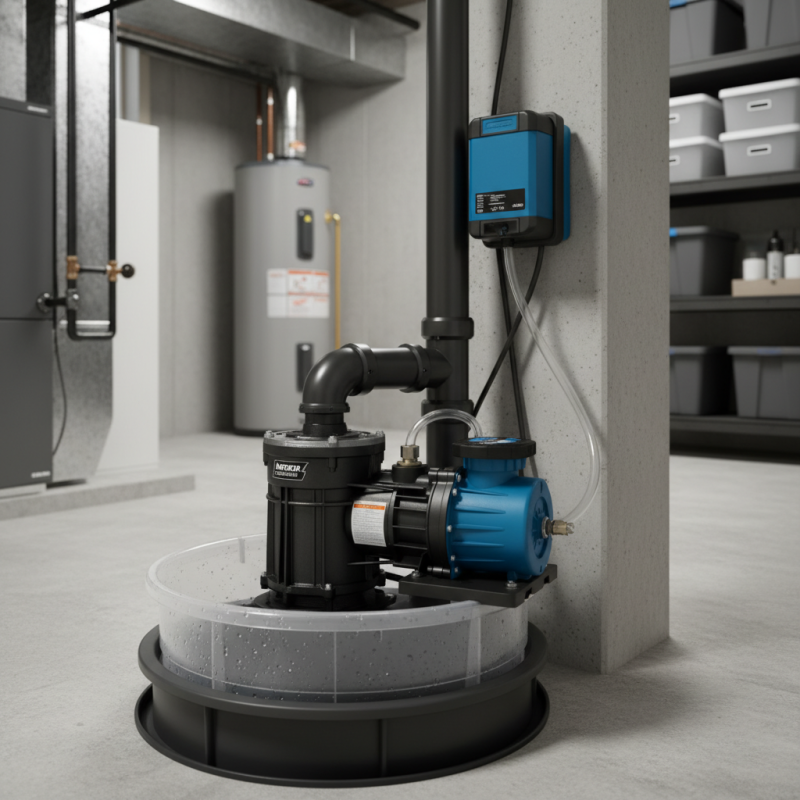
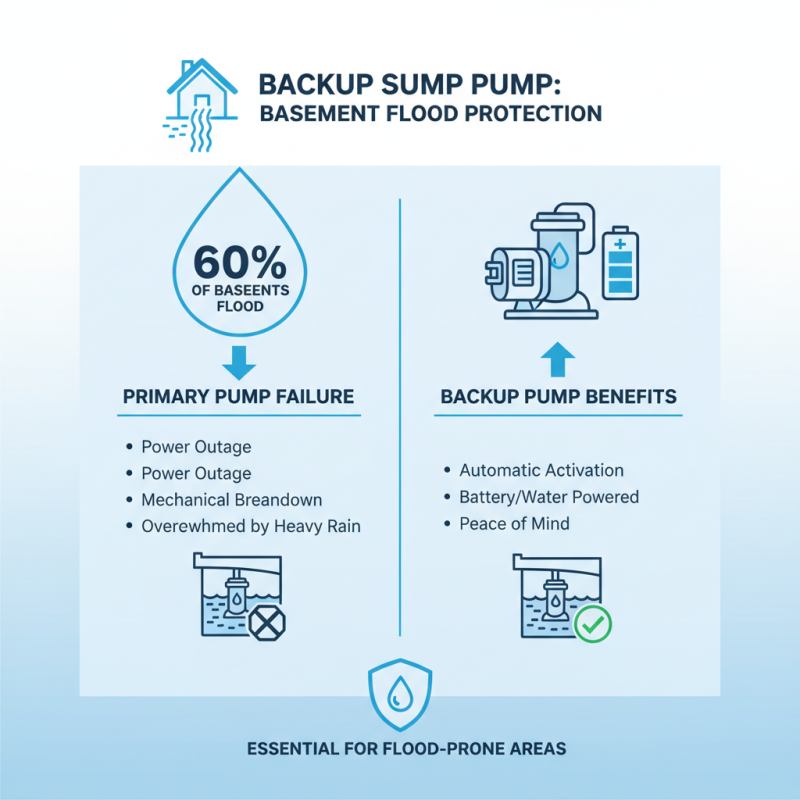
A back up sump pump is an essential device for homeowners, especially in flood-prone areas. This equipment serves as a secondary system to remove excess water when the primary sump pump fails or is overwhelmed. According to industry reports, approximately 60% of residential basements will experience some form of flooding, highlighting the necessity of a reliable back up system.
Equipped with its own power source, a back up sump pump can function during power outages. This feature is crucial because floods often occur during storms that disrupt electrical supply. Statistics show that roughly 20% of basement flooding issues arise from power failure. This means a back up pump can significantly reduce the risk of extensive water damage.
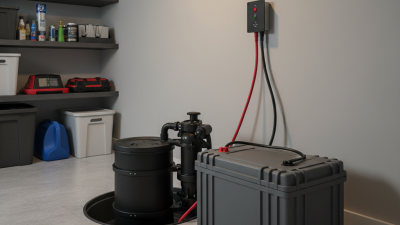
In addition, back up sump pumps vary in type, including battery-operated and water-powered models. Each type has its pros and cons, which homeowners should weigh carefully. However, many overlook this aspect and end up without adequate protection. Regular maintenance and testing of these systems are often neglected, which can lead to failure when they are most needed. Selecting the right model and ensuring it is properly maintained can prevent costly repairs and property loss.
The Importance of Having a Back Up Sump Pump
Having a backup sump pump is essential for homeowners. Flooding can happen unexpectedly. Heavy rains or a sudden plumbing failure could lead to water damage. A primary sump pump may not always be sufficient. Power outages and mechanical failures happen. This is where a backup pump proves its worth.
Imagine the chaos of waking up to a flooded basement. Your first concern is damage to your possessions. A backup sump pump can mitigate this risk. It provides peace of mind. Knowing you have an additional line of defense is comforting. It works automatically, often powered by a battery, ensuring operation even during an outage.
Many people overlook this important aspect of home maintenance. They think, "It won't happen to me." But water can rise quickly. Even a small leak can lead to severe issues. Having a backup system is a smart strategy. It protects your home and your finances. Don't wait for disaster to realize its value. Investing in a backup pump is investing in your home’s safety.
When to Consider Installing a Back Up Sump Pump
When considering a back up sump pump, it's crucial to evaluate your current home setup. Many people underestimate the impact of heavy rainfall or plumbing failures. A primary sump pump can fail, and when it does, the consequences can be dire. Flooded basements lead to costly repairs and potential health issues from mold. Installing a back up pump can safeguard against these disasters.
Think about your location and weather patterns. If you live in an area prone to heavy rains, it’s wise to consider this option. Some homeowners feel secure with just one pump, but that confidence can be misplaced. Regular maintenance is often neglected. Without proper checks, a primary pump may not function when needed most. A back up sump pump acts as a safety net, ready to step in during emergencies.
Many families wait too long to make this investment. They often believe it won't happen to them. But water damage can occur unexpectedly. It's better to prevent the potential mess and stress than to react after the fact. Listen to stories from others who faced the aftermath. Their experiences can serve as valuable lessons. Reflect on your own conditions, and you might realize the necessity of a back up sump pump.
Types of Back Up Sump Pumps Available
A back-up sump pump is a crucial plumbing device that protects against flooding. In areas prone to heavy rainfall or melting snow, a sump pump can fail due to power outages or mechanical issues. This is where a back-up pump steps in, ensuring your basement stays dry.
There are various types of back-up sump pumps available. Battery-operated pumps are among the most popular. They provide power even during outages. A study by the American Society of Home Inspectors found that 60% of homeowners who experience flooding had an issue with their primary sump pump. This highlights the necessity of having a battery unit on standby.
Water-powered back-up pumps are another option. They use municipal water pressure to operate. These systems are reliable and eco-friendly. However, they are dependent on your local water supply. It's essential to assess your situation. Consider the likelihood of power loss in your area. Each type has its pros and cons, requiring careful reflection on your home's needs. Think hard about what could happen during heavy storms. Make an informed decision before it's too late.
Back Up Sump Pump Types and Their Features
This chart illustrates the pumping capacity of various types of backup sump pumps, demonstrating their effectiveness in times of need. Each type serves a distinct purpose and may be suitable for different situations in managing water intrusion.
Maintenance Tips for Back Up Sump Pumps
A back up sump pump is essential for any homeowner. It acts as a safety net in case the primary sump pump fails. Flooding can happen from heavy rains or a malfunction, and this can lead to costly damage. According to industry data, sump pump failures account for nearly 30% of basement flooding issues. This underlines the importance of having a reliable back up system.
Maintenance is crucial to keep these pumps functioning optimally. Regularly check the battery and power supply. Replace batteries every three to five years to ensure they work when needed. Inspect the pump itself; debris can accumulate and affect performance. A clean sump pit allows for free water flow, preventing clogs.
**Tips:** Test your back up pump monthly. Run it to see if it's working properly. Look for any unusual noises or vibrations. This will help you spot problems early. Keeping a maintenance log can also be beneficial. Write down when you inspect and what you find. This creates a useful history for addressing future issues.
What is a Back Up Sump Pump and Why You Need One? - Maintenance Tips for Back Up Sump Pumps
| Dimension |
Description |
Importance |
Maintenance Tip |
| Power Source |
The method by which the pump operates, typically electricity or battery. |
Critical for operation during power outages. |
Ensure battery is fully charged or replace periodically. |
| Capacity |
The volume of water the pump can remove, measured in gallons per hour (GPH). |
Ensures adequate removal of floodwater. |
Choose a pump with at least double the required capacity. |
| Switch Type |
Mechanism that activates the pump based on water levels. |
Reliable activation to prevent overflow. |
Regularly test the switch for functionality. |
| Noise Level |
The sound produced when the pump operates. |
Affects comfort in living areas. |
Consider purchasing a quieter model if noise is a concern. |
| Lifespan |
Average operational duration before replacement is needed. |
Planning for future replacements. |
Check for wear and tear at least once a year. |