Why You Should Consider Backup Sump Pump Installation for Your Home
When it comes to safeguarding your home from water damage, the importance of backup sump pump installation cannot be overstated. Roger Anderson, a leading expert in home waterproofing systems, emphasizes, “Investing in a backup sump pump is not just about protecting your basement; it's about preserving your entire home’s value.” With heavy rainfall and extreme weather events becoming increasingly common, homeowners must consider effective measures to stay one step ahead of potential flooding.
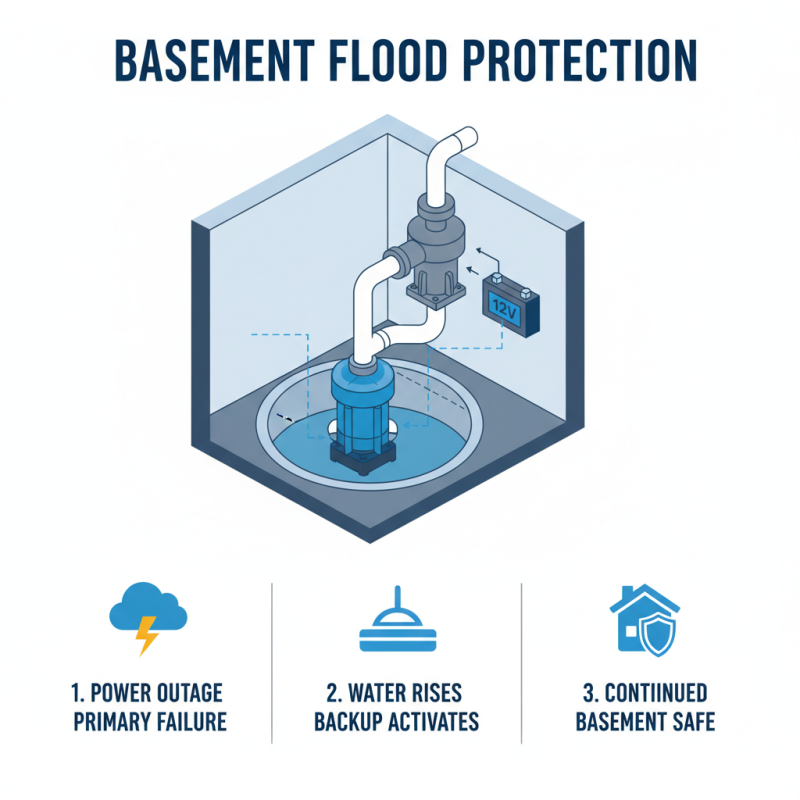
A properly installed backup sump pump serves as an essential line of defense in case the primary pump fails or is overwhelmed by excessive water. It operates automatically, providing peace of mind when severe storms hit or during power outages. The added layer of security not only protects your personal belongings but also prevents costly repairs attributable to water damage.
In an era where home safety and maintenance should be a top priority, understanding the benefits and necessity of backup sump pump installation is vital. Homeowners can take proactive steps to ensure their basements remain dry and their homes continue to thrive in even the most challenging weather conditions.

Benefits of Installing a Backup Sump Pump in Your Home
A backup sump pump installation is a crucial consideration for homeowners looking to protect their property from potential water damage. According to the American Society of Home Inspectors, about 60% of homes in the United States experience some form of water damage during their lifetimes. This statistic underscores the importance of a reliable sump system, particularly in areas prone to heavy rainfall or flooding. A backup sump pump provides an extra layer of protection, ensuring that even during power outages or mechanical failures of the primary pump, water is efficiently diverted away from critical areas of the home.
The benefits of installing a backup sump pump extend beyond mere water removal. Research by the Institute for Business & Home Safety indicates that homes with effective flooding prevention measures, including backup pumps, can reduce insurance premiums by as much as 20%. Furthermore, having a backup system in place can significantly minimize restoration costs in case of water ingress, with estimates suggesting that the average water damage claim exceeds $10,000. This not only safeguards your home but also enhances its marketability, since prospective buyers are often more attracted to properties equipped with comprehensive flood prevention systems.
Why You Should Consider Backup Sump Pump Installation for Your Home - Benefits of Installing a Backup Sump Pump in Your Home
| Benefit |
Description |
Estimated Cost |
Time to Install |
| Prevents Water Damage |
A backup sump pump provides an added layer of protection against flooding, especially during heavy rains or power outages. |
$300 - $500 |
1 - 2 hours |
| Increases Home Value |
Having a backup sump pump can be an attractive feature for potential buyers, enhancing the overall value of your home. |
$200 - $400 |
2 - 3 hours |
| Peace of Mind |
With a reliable backup system in place, homeowners can feel secure knowing their basement is protected from rising water. |
$100 - $300 |
1 hour |
| Automatic Operation |
Many backup sump pumps come with battery backup systems that automatically activate when the primary pump fails. |
$400 - $600 |
3 - 4 hours |
| Long-Term Savings |
Investing in a backup system can save homeowners from costly repairs and damages caused by flooded basements. |
$100 - $200 |
1 - 2 hours |
Understanding How Backup Sump Pumps Operate
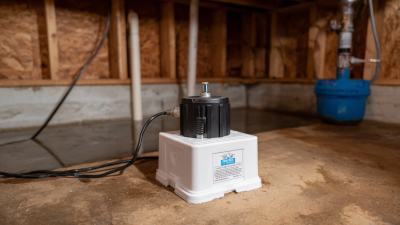
Backup sump pumps are essential devices designed to provide an additional layer of protection against flooding, especially during severe weather conditions or power outages. Understanding how these systems operate is crucial for homeowners looking to safeguard their basements from water damage. Essentially, backup sump pumps work alongside primary sump pumps, kicking in automatically when the primary unit fails or when the water level exceeds a preset threshold. This dual system ensures continued drainage, minimizing the risk of water accumulation in low-lying areas.
The operation of a backup sump pump typically relies on a battery or water pressure as its power source, allowing it to function independently of the electrical grid. This feature is particularly beneficial during storms when power outages are common. When activated, the backup pump redirects excess water away from the home, usually through a dedicated discharge line. This timely intervention can prevent catastrophic damage, such as mold growth or structural weakening, which can arise from prolonged exposure to moisture. By understanding the mechanics behind backup sump pumps, homeowners can make informed decisions about their installation and maintenance, ultimately enhancing their home’s resilience against unexpected flooding events.
Key Factors to Consider Before Installation
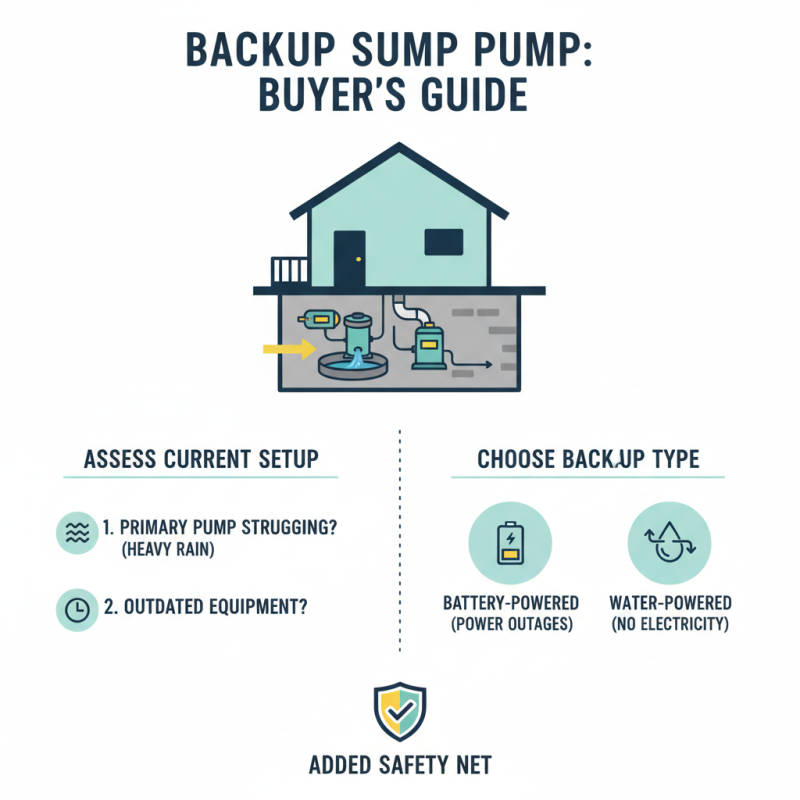
Before installing a backup sump pump, it's essential to evaluate several key factors to ensure that it meets the specific needs of your home. First and foremost, assess the current sump pump setup. If your primary pump is struggling during heavy rainfall or is outdated, adding a backup system will provide a necessary safety net. Consider the type of backup pump that best suits your system; options include battery-powered or water-powered models, each with distinct advantages depending on your water removal capacity and power availability.
Another crucial factor is the placement and installation of the backup sump pump. Proper installation is vital to ensuring the system operates effectively during emergencies. Evaluate the existing discharge lines and determine where the backup pump will discharge excess water. Additionally, understand local building codes and regulations, as these will guide you in choosing the right equipment and installation methods for your area. Finally, factor in the maintenance requirements of the backup system. Regular checks and necessary maintenance will keep the system functioning optimally, providing peace of mind during stormy weather or unexpected flooding.
Maintenance Tips for Your Backup Sump Pump
When installing a backup sump pump, ensuring proper maintenance is crucial for its reliability. A well-maintained backup system can operate effectively during severe weather conditions, preventing basement flooding. According to the American Society of Home Inspectors, nearly 60% of homes in the United States experience some form of water intrusion in their basements. An operational backup sump pump can mitigate this risk, but it won't be effective if neglected.
Regular maintenance involves checking the pump's power source, ensuring the battery is charged and in good condition. Experts recommend testing the system at least once a year. During these tests, simulate a power outage and observe whether the backup pump activates as expected. Additionally, inspect the discharge pipe for any clogs or blockages that could hinder water flow. A 2021 study from the National Association of Home Builders indicated that homes with well-maintained backup systems showed a 30% reduction in water damage claims. By keeping up with these maintenance tips, homeowners can significantly enhance the longevity and reliability of their backup sump pumps.
Backup Sump Pump Performance Comparison
This chart illustrates the performance of a backup sump pump over five years. The blue bars represent the efficiency of the pump in percentage, while the red bars indicate the maintenance costs in dollars. Regular maintenance is crucial for maintaining high efficiency and lower costs over time.
Common Misconceptions About Backup Sump Pumps
Many homeowners have reservations about installing a backup sump pump, often due to common misconceptions that can deter them from making a wise decision. One prevalent myth is that backup sump pumps are unnecessary if the primary pump appears to be functioning well. While it's true that a primary pump can usually handle routine water management, it is crucial to recognize that power outages, mechanical failures, and heavy rain can create situations where the main pump can’t keep up, leading to potential flooding. A backup sump pump acts as a safety net, ensuring that water is effectively managed even under unforeseen circumstances.
Another misconception is that backup sump pumps require extensive modifications to your existing sump pump system. In reality, many backup systems are designed for easy installation and can often be added without significant alterations to your existing setup. Additionally, some homeowners believe that these backup systems are overly complicated or too expensive to maintain. However, many modern backup sump pumps are user-friendly and require minimal upkeep. By understanding these misconceptions, homeowners can make informed decisions about protecting their homes from water damage, leading to peace of mind and long-term savings.