Top Benefits of a Back Up Sump Pump for Homeowners
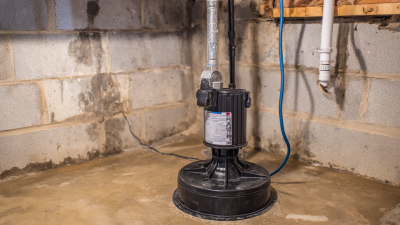
Homeowners often overlook the importance of a back up sump pump. Yet, it can be a critical part of home safety. When heavy rains or flooding occur, a standard sump pump might fail. This is where a back up sump pump becomes essential.
Imagine a wet basement filled with important belongings. Water damage can cost thousands to repair. A back up sump pump provides peace of mind. It ensures that your home stays dry, even during emergencies. This additional pump activates automatically if the primary one fails.
Choosing a back up sump pump is not just about safety; it’s also a wise investment. Many homeowners feel unprepared for natural disasters. An effective back up sump pump can save you from chaos and loss. Investing in reliable systems enhances the value of your home. In the end, preparation is key for protecting your home and family.
Importance of a Sump Pump in Home Flood Prevention
A sump pump plays a crucial role in home flood prevention. It helps manage excess water in basements, protecting your property from significant damage. Heavy rain or melting snow can lead to flooding. A sump pump ensures that water does not accumulate. Having a reliable sump pump can save thousands in repair costs.
Homeowners often overlook the importance of this device. A faulty sump pump may fail when needed the most. Regular maintenance is essential to ensure reliability. Many forget to check the pump’s operation until it’s too late. Investing in a backup sump pump adds an extra layer of security. This can be a lifesaver during power outages or primary pump failures.
The threat of flooding is real and can happen unexpectedly. The aftermath of flooding often leads to mold growth, structural damage, and health hazards. A well-functioning sump pump mitigates these risks. Homeowners should prioritize this investment to protect their families and properties. The peace of mind from knowing you have protection against water damage is invaluable. Consider your basement’s safety today.
Top Benefits of a Back Up Sump Pump for Homeowners - Importance of a Sump Pump in Home Flood Prevention
| Benefit |
Description |
Importance |
| Flood Protection |
A back up sump pump provides an extra layer of protection against flooding. |
Helps to safeguard your home and belongings from water damage. |
| Peace of Mind |
Knowing you have a reliable backup system reduces worry during storms. |
Reduces stress associated with potential flooding risks. |
| Increased Home Value |
A sump pump system can increase your property value. |
Attractive feature for potential buyers concerned about water damage. |
| Cost-Effectiveness |
Protecting against flooding can save thousands in repair costs. |
Investing in prevention is often cheaper than dealing with damage. |
| Energy Efficiency |
Modern pumps use less energy, reducing utility bills. |
Environmentally friendly option that also saves money. |
Understanding the Functionality of Backup Sump Pumps
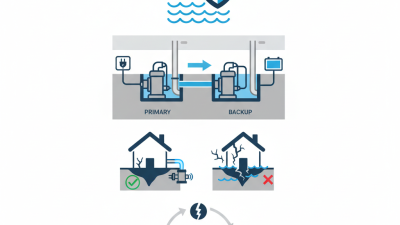
Backup sump pumps play a crucial role in maintaining a dry basement, especially during heavy rainstorms or power outages. Understanding their functionality is essential for homeowners. These pumps work alongside primary sump pumps, activating when the main pump fails or when water levels rise too quickly. This redundancy effectively prevents water damage and potential mold growth.
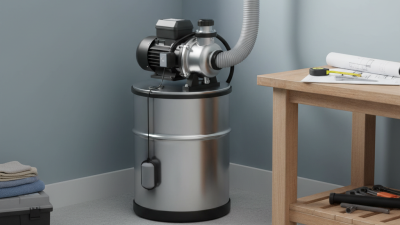
Moreover, backup sump pumps can operate on batteries, ensuring functionality during power interruptions. Their design often allows for easy installation and maintenance, making them accessible even for those without expert plumbing experience. Homeowners can monitor water levels and pump operation through integrated systems, enhancing reliability.
While backup sump pumps offer significant advantages, occasional maintenance is necessary to ensure they operate effectively. Neglecting this aspect can lead to failures when you need them most. Regular testing and checks on battery life will help prevent unexpected issues. Homeowners should be proactive, as certain environmental factors can affect pump performance.
Top Benefits of a Backup Sump Pump for Homeowners
Key Advantages of Installing a Backup Sump Pump
A backup sump pump is a crucial addition for homeowners who want to protect their basements from flooding. Heavy rain or power outages can overwhelm primary sump pumps. Without a backup, you risk significant water damage to your property. These secondary systems provide peace of mind, ensuring your home remains safe from unwanted water.
Installing a backup sump pump offers several advantages. First, it enhances reliability during storms or outages. Many homeowners experience power failures when they need their pumps the most. A backup system operates independently, using a battery or other sources. This means you have an extra layer of protection.
Moreover, a backup sump pump can save you money down the road. Flood damage repairs can be prohibitively expensive. Protecting your home with a reliable backup device can prevent costly repairs. With increasing climate unpredictability, this investment may soon become essential. The availability of various systems allows you to select one that fits your specific needs. However, it's important to consider periodic maintenance. A neglected backup system can fail when you need it the most.
Common Issues Addressed by Backup Sump Pumps
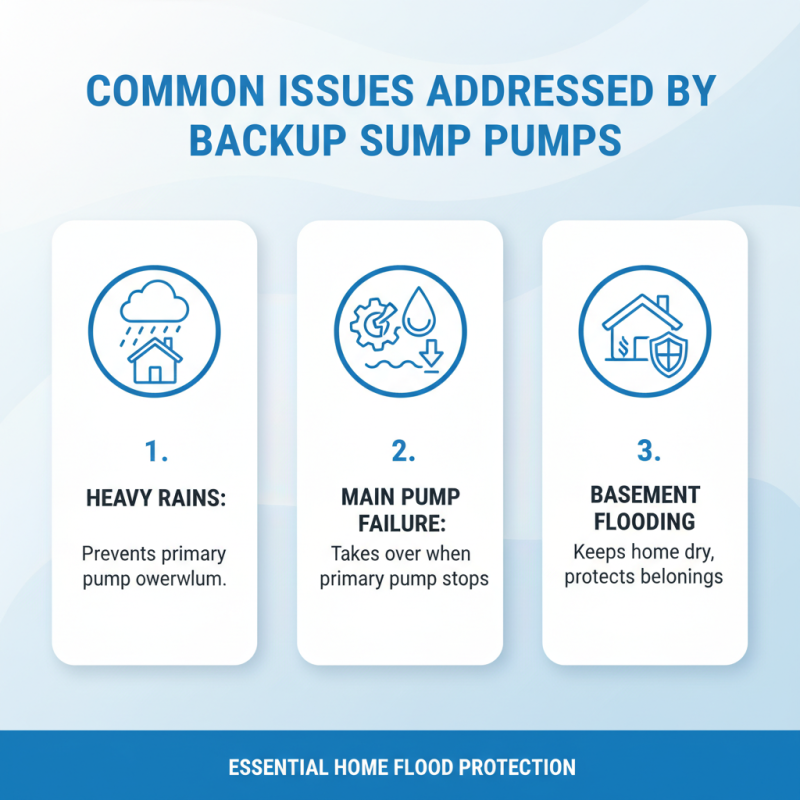
A backup sump pump is essential for homeowners facing flooding risks. Heavy rains can overwhelm primary pumps, leading to basement water damage. A backup system kicks in when the main pump fails. This ensures that your home remains dry, protecting your belongings and infrastructure.
Common issues can often catch homeowners off guard. Power outages during storms are a frequent problem. Such events can disable primary sump pumps, leaving your basement vulnerable. A backup unit can operate on battery power or a generator, keeping water at bay. Additionally, wear and tear on pumps can lead to failures. Regular maintenance is crucial, but even well-maintained systems can falter. A backup sump pump serves as an insurance policy against unexpected breakdowns.
Sometimes, homeowners underestimate the importance of having a reliable system. The costs associated with water damage can far exceed the investment in a backup pump. Many notice their main sump pump struggling during severe weather. Realizing this after a flood causes regret. It's better to prepare than to face costly repairs later. A backup sump pump may seem like an extra expense, but it offers peace of mind.
Cost-Benefit Analysis of Backup Sump Pump Installation
Installing a backup sump pump can significantly benefit homeowners, especially during heavy rainfall or flooding. According to a report from the American Society of Home Inspectors, as much as 60% of homes experience some form of water damage. This statistic highlights the urgent need for effective water management in basements. A backup sump pump can prevent extensive water damage, preserving property value and reducing repair costs.
The installation of a backup sump pump typically costs between $300 and $500, according to data from HomeAdvisor. While this upfront cost may seem substantial, it pales in comparison to the average expense of water damage repair, which can reach up to $3,000. Furthermore, the National Flood Insurance Program states that obtaining flood insurance is crucial, as typical homeowners' insurance does not cover flood damage. Hence, investing in a backup system protects not just your home but also your financial future.
Homeowners often hesitate due to perceived costs and complexity. They may underestimate potential flooding risks. Still, investing in a backup sump pump equips homeowners with a safety net against unforeseen disasters. Water damage can lead to mold growth, health hazards, and hefty repair bills. Thus, weighing the long-term benefits against the initial investment reveals a more comprehensive picture.