10 Best Electric Pumps for Your Home Needs?
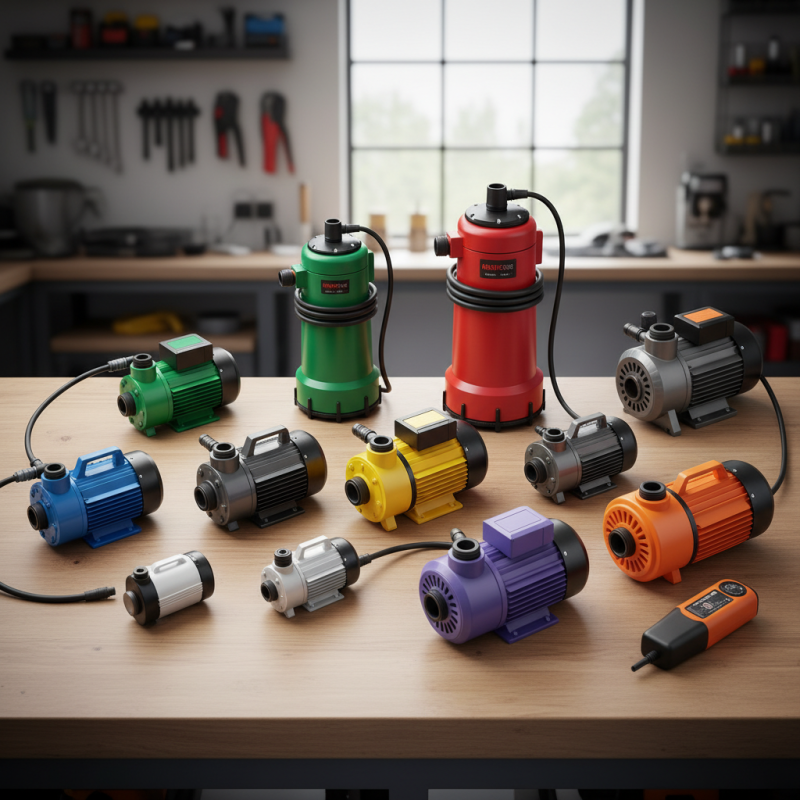
Electric pumps are essential tools for many home tasks. They offer convenience and efficiency for various needs. From filling inflatable pools to draining water from basements, an electric pump can make life easier.
When choosing the right one, consider your specific requirements. Some pumps are built for heavy-duty tasks, while others handle lighter workloads. Quality varies widely, and not all pumps are created equal. Some homeowners may end up frustrated with poor performance. Finding a balance between cost and functionality is crucial.
In this guide, we will explore the ten best electric pumps for your home needs. Each option has its features and benefits. It's important to evaluate their strengths and weaknesses before making a decision. Whether it's a portable option or a more powerful model, the right electric pump can save time and effort.
Understanding the Different Types of Electric Pumps for Home Use
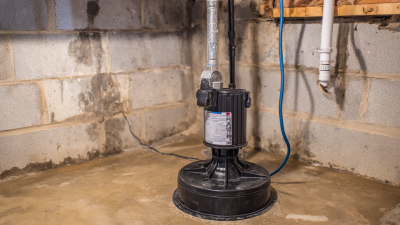
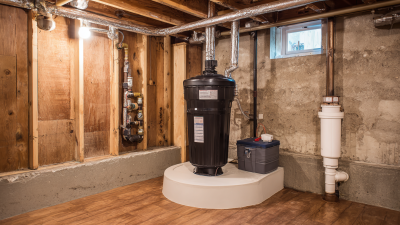
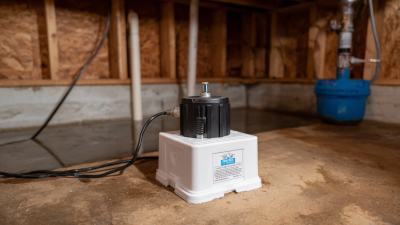
Electric pumps are essential for various home tasks, from draining water to irrigation. Understanding the types available can help you make informed choices. A submersible pump sinks into water, ideal for removing excess water from basements. These pumps work quietly and efficiently but require maintenance to prevent clogging.
Another type is the centrifugal pump. It uses rotational energy to move fluids. These pumps are great for garden irrigation or supplying water to household fixtures. However, they can be less effective for very thick liquids. A diaphragm pump is another option, suitable for transferring small amounts of fluid. They are simple and often handy for household cleaning tasks but can wear out over time.
Consider your specific needs when choosing an electric pump. Think about the volume of water you need to move and the type of liquid involved. Some pumps may not perform well under heavy use. Additionally, always check the power source and energy requirements before purchasing. Recognizing these aspects can lead to better decisions.
Key Features to Consider When Choosing an Electric Pump
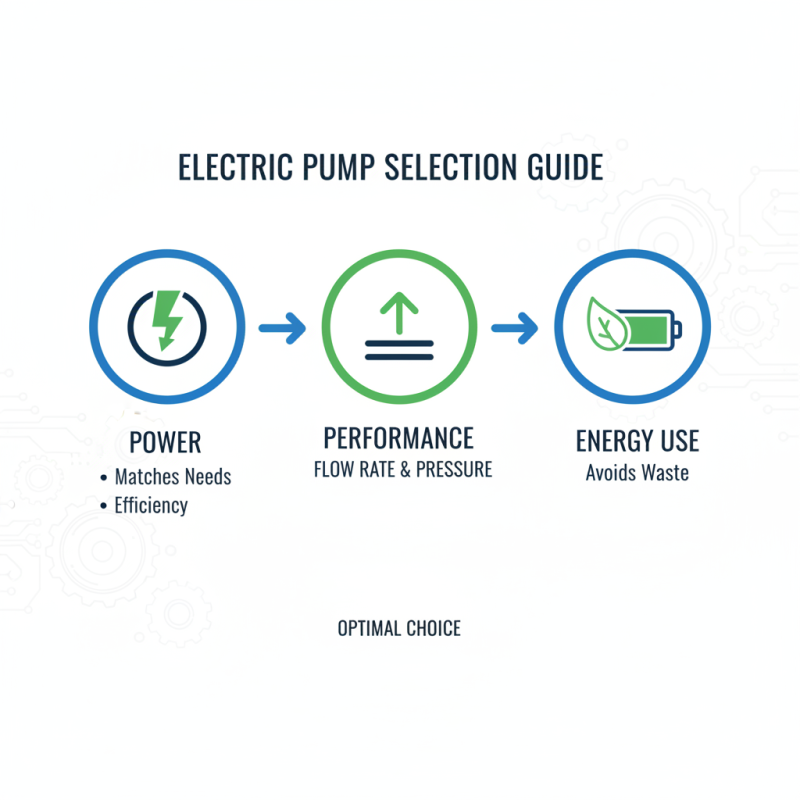
When selecting an electric pump, several key features deserve your attention. Power is crucial. A pump with suitable horsepowers can dramatically influence performance. Look for a model that matches your needs. Too little power? It may not be effective. Too much power? It could waste energy.
Next, consider the pump type. There are various options, such as submersible and inline pumps. Each type serves specific purposes. A submersible pump is better for flooded areas. An inline pump, however, ensures a steady water flow for irrigation. Evaluate where you’ll use the pump before making a buy.
Durability matters too. A good electric pump should withstand conditions like humidity or extreme temperatures. Check materials used in its construction. Plastic components may be less reliable in harsh settings. Quality can determine longevity. Think ahead; a reliable pump can save money in the long run.
Top 10 Electric Pumps for Various Home Applications
When it comes to home applications, electric pumps can be incredibly versatile. They serve various purposes, from draining water from flooded areas to boosting water pressure in your plumbing. It’s essential to choose the right pump based on your specific needs. Consider the size of your home and the tasks at hand. This information influences performance and efficiency.
Tips: Check the power rating of the pump. Higher ratings usually mean better performance. Also, ensure you understand the pump’s flow rate. This determines how quickly it can move water. A mismatch can lead to frustration. For emergency situations, keep a portable pump handy. It can save you from unexpected water damage.
Another important aspect is maintenance. Regularly inspect your pump for wear and tear. A small issue can turn into a bigger problem if ignored. Ensure that any filters are cleaned periodically. This simple step prolongs the life of your equipment. Pay attention to noise levels as well. If it sounds different, investigate further. Don’t overlook the smaller signs; they often indicate a need for attention.
10 Best Electric Pumps for Your Home Needs
| Pump Type |
Power (W) |
Max Flow Rate (GPH) |
Max Head (ft) |
Application |
| Submersible Pump |
800 |
3000 |
25 |
Basement Flooding |
| Sump Pump |
750 |
2000 |
15 |
Water Removal |
| Utility Pump |
600 |
1500 |
10 |
General Purpose |
| Barrel Pump |
300 |
500 |
5 |
Transfer Liquids |
| Drum Pump |
250 |
300 |
7 |
Chemical Transfer |
| Shallow Well Pump |
1000 |
800 |
25 |
Irrigation |
| Deep Well Pump |
1500 |
1200 |
150 |
Residential Water Supply |
| Inline Pump |
500 |
1500 |
30 |
Heating Circulation |
| Pressure Booster Pump |
800 |
2000 |
40 |
Water Pressure Increase |
| Garden Pump |
600 |
1500 |
20 |
Irrigation and Sprinkling |
Safety and Maintenance Tips for Electric Pump Users
When using electric pumps, safety should always be your top priority. Regularly check the power cord and plug for any signs of wear. A damaged cord can lead to electric shock. Store the pump in a dry, cool place to prevent moisture damage. Always disconnect the pump from the power source before performing maintenance. This simple step can save you from accidents.
Maintenance is key to prolonging your pump's lifespan. Clean the pump after each use to remove any debris. This helps in keeping it efficient. Regularly check the filters and replace them if necessary. Neglecting these tasks can result in decreased performance. Pay attention to unusual noises during operation; they might indicate a problem. You may find that addressing these issues early prevents larger failures. It's easy to overlook small signs, but they matter. Remember, an ounce of prevention is worth a pound of cure.
Comparative Analysis of Electric Pumps: Performance and Efficiency
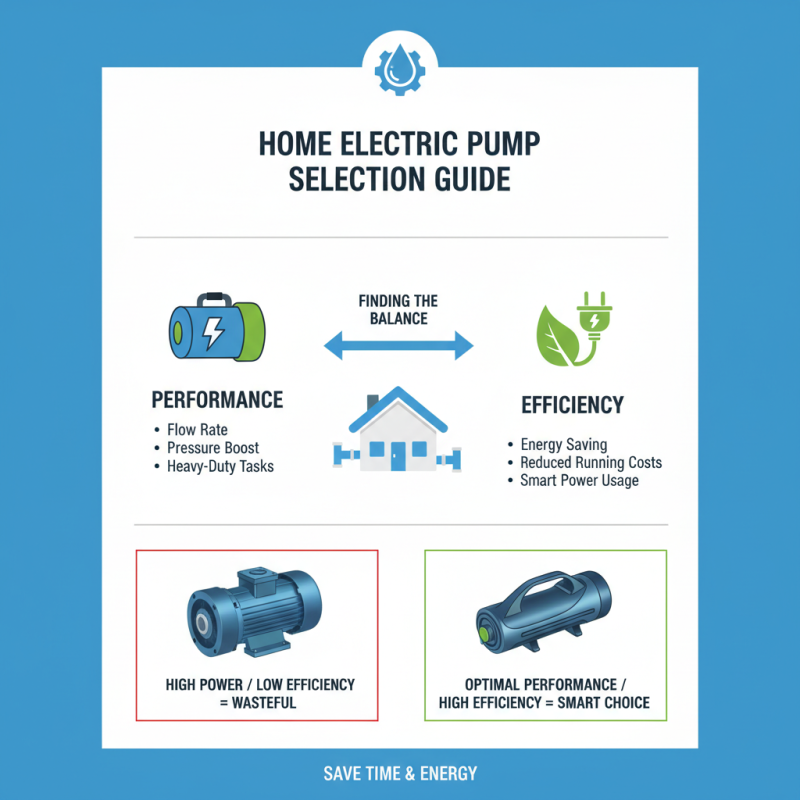
When selecting an electric pump for home use, performance and efficiency play crucial roles. An efficient pump can save both time and energy, handling tasks like draining water or boosting pressure. Many pumps vary in features, such as flow rate and power consumption. Some have powerful motors but may waste energy. Others may be energy-efficient yet struggle with heavy-duty tasks.
Performance is also influenced by the pump's design. A well-designed pump can operate quietly and vibrate less, making it suitable for residential settings. It’s essential to compare these characteristics. Choosing a pump that meets immediate needs can sometimes lead to oversight in long-term efficiency. An electric pump might perform well for a short task but could incur high energy costs over time.
Not all electric pumps are equal in durability. Cheaper models may break down quickly, leading to more frequent replacements. This aspect demands a careful evaluation. It's easy to overlook the long-term costs when focused on the initial price. Reflecting on these details will ensure you select a pump that meets not just the present needs but also future demands efficiently.