10 Best Water Pumps for Global Buyers?
Choosing the right pump water system is rarely a simple price comparison. Global buyers must examine flow rate, total head, energy use, materials, controls, and after-sales support. A pump that performs well on a farm may fail in a coastal factory. Salt air, muddy water, voltage changes, and limited spare parts can quickly expose weak specifications.
The 2024 United Nations World Water Development Report highlights agriculture as the largest user of global freshwater withdrawals, accounting for roughly 70 percent. WHO and UNICEF’s 2023 Joint Monitoring Programme also reported that 2.2 billion people lacked safely managed drinking water in 2022. These figures show why reliable pumping equipment matters. They also reveal an uncomfortable point: efficiency alone cannot solve poor planning, weak maintenance, or unsuitable installation.
Peter Gleick, co-founder of the Pacific Institute, has stated, “Water is the most important natural resource on Earth.” That principle guides this selection of the 10 best water pumps for global buyers. Each option should be judged against real operating conditions, not attractive catalogue claims. Look closely at tested performance, certification, repair access, and lifecycle cost. Some rankings may still feel imperfect. Data quality differs between manufacturers and regions. That uncertainty deserves attention, not concealment. The strongest choice is the pump that delivers dependable service, uses power responsibly, and remains repairable when conditions become difficult. That is the standard this guide applies.
Understanding Water Pump Types and Their Global Applications
10 Best Water Pumps for Global Buyers?
Understanding Water Pump Types and Their Global Applications
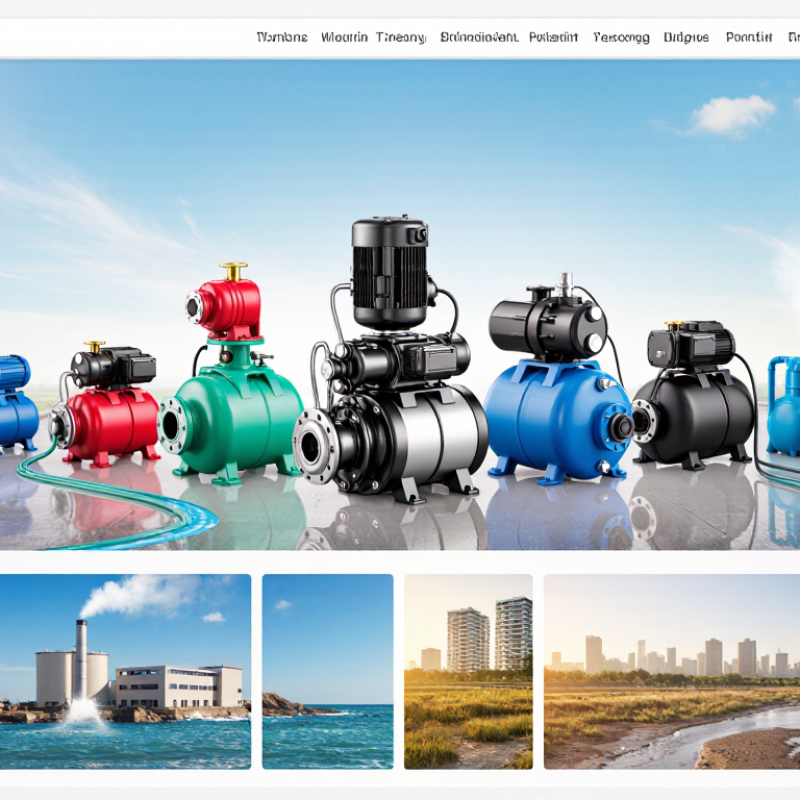
The ten best water pumps depend on water quality, lift height, flow demand, and local power access. Centrifugal pumps suit clean water and steady irrigation. Submersible pumps work inside wells, tanks, and flood-prone areas. Their sealed motors reduce noise, but repairs can be difficult underground. Self-priming pumps help where air enters the suction line. They save setup time, though poor maintenance can damage the impeller.
Positive displacement pumps deliver measured flow under higher pressure. They serve dosing, filtration, and small industrial systems. Diaphragm pumps handle dirty water and some chemical solutions carefully. Solar-powered pumps support remote farms without dependable grids. Diesel-driven pumps offer strong output during outages, but fuel storage adds cost and safety concerns. Booster pumps improve building pressure, especially on upper floors. Drainage pumps remove stormwater from basements and construction sites.
Selection should begin with a site survey, not a product ranking. Measure pipe length, vertical lift, voltage, water temperature, and sediment levels. A pump with excessive capacity may waste energy and cause unstable pressure. A weak pump may run continuously and fail early. I would also check spare parts, technician skills, and language support before purchase. These details often matter more than advertised efficiency. One field lesson remains useful: clear water is not always clean enough. Fine sand can quietly wear seals and impellers. Manufacturer curves help, but real installations can differ. That is where careful testing becomes necessary.
Key Performance Factors: Flow Rate, Head Height, Power, and Efficiency
10 Best Water Pumps for Global Buyers?
For global buyers, the best water pump is not always the most powerful model. It must match the water source, delivery distance, and daily demand.
Flow rate shows how much water moves in a minute. A household tank may need 30 liters per minute, while irrigation often needs far more. Measure actual demand. Oversizing can waste energy and create harsh pressure surges.
Head height measures the vertical lift plus pipe resistance. A pump rated for 40 meters may perform poorly when narrow pipes, elbows, and filters add losses. Check total dynamic head, not the headline number alone.
Power affects starting strength and operating cost. Higher wattage is not proof of better performance. An efficient pump delivers the required flow with less electricity and less heat. For solar or remote systems, this difference becomes practical, not theoretical.
In product comparisons, I look for stable output after several hours, accessible service parts, and clear test data. Efficiency figures should state the operating point and voltage. Otherwise, comparisons become unreliable.
My own caution is simple: published ratings can look optimistic. Real installations may lose pressure through old pipes, voltage drops, or seasonal water changes.
Leave a modest safety margin, but avoid buying excessive capacity. A careful buyer records flow, head height, power supply, and running hours before choosing among ten pump types.
Comparing the 10 Best Water Pumps for Different Buyer Needs
Choosing among the 10 best water pumps starts with the buyer’s actual water problem. A shallow-well jet pump suits homes with stable, nearby groundwater. A deep-well submersible pump works better for narrow wells and greater lifting heights. Centrifugal pumps handle steady irrigation flow, while booster pumps improve weak household pressure. Self-priming pumps help when air enters the suction line. Diaphragm pumps fit small tanks and intermittent use. Solar pumps support remote farms, but sunlight changes daily. Portable transfer pumps serve temporary drainage or tank filling. Rainwater pumps match garden systems. Sewage pumps require solids-handling designs and careful installation.
Real performance depends on more than the advertised flow rate. Measure vertical lift, pipe length, friction, water temperature, and power availability. A pump rated at 60 liters per minute may deliver much less through a long, narrow pipe. Check the duty cycle too. Continuous operation can overheat a model designed for short transfers. For muddy water, inspect the impeller clearance and seal materials. For drinking water, confirm that wetted components are suitable for potable use. Local electrical standards also matter.
My field experience favors simple controls and accessible replacement parts. Fancy automation is not always better. I once underestimated cable length and lost noticeable power at startup. That mistake was avoidable. Buyers should compare noise, warranty support, maintenance access, and spare-part availability across all ten options. A cheaper pump can become expensive when the correct fittings are difficult to source. Even careful testing cannot replace sizing the system properly.
10 Best Water Pumps for Global Buyers? – Comparing the 10 Best Water Pumps for Different Buyer Needs
This comparison uses representative maximum flow rates and head heights commonly specified for each pump category. Actual performance varies with pump size, pipe length, elevation, fluid quality, and operating conditions.
Higher flow is useful for moving large volumes of water, while greater head height is more important for deep wells, multi-story buildings, and long-distance water transfer. Buyers should match both values to their application rather than selecting a pump by flow rate alone.
How to Select the Right Water Pump for Your Market and Budget
10 Best Water Pumps for Global Buyers?
How to Select the Right Water Pump for Your Market and Budget
Selecting a water pump starts with the water source, not the advertised price. Measure the required flow rate, lifting height, pipe length, and daily operating hours. A pump for a shallow well may fail in a deep borehole. It happens more often than buyers admit. Check the water, too. Sand, salt, chemicals, and high temperatures can quickly damage unsuitable materials.
Local conditions should guide the motor and construction. Confirm voltage, frequency, climate, and available power before ordering. In remote areas, a lower-power model may reduce operating costs and simplify solar integration. In crowded cities, compact designs and quiet operation can matter more. Ask whether replacement seals, bearings, and control parts are available locally. A small price difference is meaningless if one spare part takes six weeks to arrive.
Budgeting requires more than comparing purchase prices. Estimate electricity, maintenance, installation, transport, and expected service life. I once saw a low-cost pump selected without checking pipe friction; its flow was disappointing and the owner paid twice. That mistake is easy to repeat. Request performance data at your actual operating point, not only the maximum flow. Verify local safety and electrical requirements with a qualified installer. Then question your own assumptions. The first choice may still be wrong.