How to Choose and Install a Battery Sump Pump for Flood Protection
When it comes to safeguarding your home against potential flooding, choosing the right equipment is essential. One of the most effective solutions available on the market today is the battery sump pump. As noted by renowned industry expert John Sanders, "A battery sump pump is not just a backup; it's a lifesaver when every second counts during a flood." This statement underscores the importance of having a reliable system in place to protect your property during extreme weather conditions.
In this guide, we will explore the critical factors to consider when selecting and installing a battery sump pump. Understanding the unique advantages and capabilities of these pumps can be the difference between a minor inconvenience and significant water damage. From the pump's capacity and battery longevity to installation techniques, every detail matters in ensuring that your home remains safe and dry. By the end of this discussion, you will be equipped with the knowledge you need to make an informed decision regarding your flood protection strategy.

Choosing the Right Battery Sump Pump: Key Features to Consider
When selecting a battery sump pump for flood protection, there are several key features that should be prioritized to ensure effectiveness and reliability. First, consider the pump's capacity and flow rate, which is crucial for determining how quickly it can remove water from your basement. Aim for a model that can handle at least 2,000 gallons per hour at a standard lift, as this ensures it can manage heavy rainfall or flooding situations effectively.
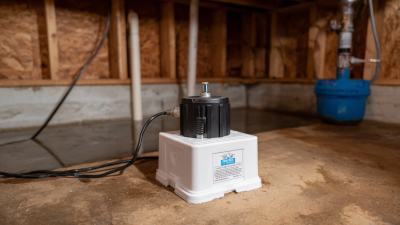
Next, look for durability and build quality in the materials used for the pump. A corrosion-resistant housing is important for longevity, especially in damp environments. Additionally, consider the power source; a good battery sump pump should have a high-capacity battery that can sustain operation during power outages. Check for features like automatic float switches to ensure the pump activates as needed without manual intervention. Lastly, ease of installation and maintenance should not be overlooked—opt for designs that allow for simple setup and straightforward access for routine checks or battery replacements.
How to Choose and Install a Battery Sump Pump for Flood Protection
| Feature |
Description |
Importance |
| Battery Type |
Look for deep cycle or sealed lead-acid batteries for better performance and longevity. |
High |
| Pump Capacity |
Choose a pump that can handle the maximum expected water flow from flooding. |
High |
| Run Time |
Consider pumps that can run for an extended period without needing recharge. |
Medium |
| Automatic Operation |
Look for models with automatic on/off switches for convenience. |
High |
| Portability |
Consider weight and ease of transport for emergency situations. |
Medium |
| Durability |
Ensure the pump is made of high-quality materials to withstand harsh conditions. |
High |
| Alarm System |
Look for pumps that include a water level alarm to alert you of rising water. |
Medium |
Understanding the Different Types of Battery Sump Pumps Available
When it comes to protecting your home from flooding, selecting the right battery sump pump is crucial. There are several types of battery sump pumps available, each designed to cater to specific needs and situations. The most common types include secondary or backup pumps, which operate in conjunction with primary electrical sump pumps during power outages. According to the American Society of Home Inspectors, nearly 25% of homeowners experience some form of water damage each year, making the need for reliable flood defense systems increasingly apparent.
Another type of battery sump pump is the portable unit. These pumps are versatile and can be used in areas prone to flooding such as basements or crawl spaces. Reports from the Hydraulic Institute indicate that battery-operated sump pumps can manage around 2,000 to 3,000 gallons per hour, providing significant drainage capacity during emergencies. Additionally, solar-powered battery sump pumps have become popular, offering an eco-friendly alternative by harnessing renewable energy. This type of pump can provide an extended runtime, especially in remote areas where access to electrical outlets is limited.
When choosing a battery sump pump, it's essential to consider factors such as pump capacity, battery life, and installation requirements. Data from the National Flood Insurance Program suggests that a well-installed battery sump pump can reduce the risk of water damage by up to 60%. By understanding the variety of battery sump pumps available, you can make an informed decision that provides peace of mind during flood threats.
Installation Steps: Preparing for a Battery Sump Pump Setup
When preparing for the installation of a battery sump pump, the first step is to assess the specific needs of your space. This involves determining the potential areas susceptible to flooding and understanding the volume of water that may accumulate during heavy rains. It's crucial to identify the proper location for the sump pit, which should typically be at the lowest point in the basement or crawl space to effectively collect and redirect water. Ensure that the area is clean and free from any debris that could impede the functioning of the pump.
Next, gather all necessary tools and materials before starting the installation process. This includes a sump pit, battery backup sump pump, appropriate tubing, fittings, and a reliable power source, such as a dedicated battery. It's also important to have safety gear handy. Begin by digging a hole for the sump pit if one is not already in place, making sure it’s deep enough to accommodate the pump and allow for proper drainage.
Once the pit is ready, position the pump according to the manufacturer's guidelines, connect the discharge line to ensure water is efficiently expelled away from the foundation, and finally, set up the battery backup system to guarantee functionality during power outages. Proper preparation and adherence to these steps can significantly enhance the effectiveness of your flood protection measures.
Maintenance Tips for Ensuring Optimal Performance of Battery Sump Pumps
Proper maintenance of battery sump pumps is essential to ensure their optimal performance during emergencies. Regularly checking the battery is the first step; batteries should be inspected for corrosion, loose connections, and fluid levels if applicable. Most batteries require a full charge before they are put to use, so it's vital to establish a routine that allows for charging and testing the pump at least once a month. Performing a simple test by simulating a flood condition can help ensure the pump activates correctly.
In addition to battery maintenance, it's crucial to keep the sump pit clean and free of debris. Any accumulation of dirt, leaves, or other materials can hinder the pump's ability to function effectively. Cleaning the sump pit and checking the pump's intake screen for clogs should be done at regular intervals, particularly before the rainy season. Lastly, consider inspecting and replacing the float switch if it shows signs of wear or malfunction, as it is critical for the automatic operation of the pump in response to water levels. By following these maintenance tips, homeowners can rest assured their battery sump pump will perform reliably when it matters most.
Battery Sump Pump Maintenance Performance Chart
Evaluating Cost-Benefit Analysis for Battery Sump Pump Systems in Flood Areas
When evaluating the cost-benefit analysis of battery sump pump systems for flood protection, homeowners in flood-prone areas should consider both the financial investment and the potential risks mitigated by these systems. A report from the National Flood Insurance Program indicates that properties located in flood zones have a higher incidence of damage, with typical flood losses averaging around $33,000 per event. A reliable battery sump pump can help prevent such losses by managing water intrusion effectively, especially during power outages when traditional pumps may fail.
The initial cost of a battery sump pump system can vary widely, ranging from $150 to over $1,500, depending on capacity and features. However, given the potential financial repercussions of flooding, these systems often pay for themselves after just one event. An analysis by the Federal Emergency Management Agency (FEMA) suggests that investing in preventive measures, such as sump pumps, can save homeowners up to $4 for every dollar spent on mitigation strategies. Thus, for homeowners weighing the risks of flooding against the investment in battery sump pump technology, the long-term benefits in terms of property protection and peace of mind can significantly outweigh the upfront costs, making them a wise choice in safeguarding their homes.