How to Choose Backup Power for a Sump Pump?
Choosing backup power for sump pump protection is not merely a shopping decision. It is a flood-prevention decision made before the basement floor turns cold and wet.
Mike Holmes, a veteran Canadian contractor and home-improvement authority, often emphasizes, “A sump pump is only as reliable as the power behind it.” That principle deserves attention. A pump may be new, correctly sized, and tested monthly. It still stops during a blackout unless backup power for sump pump operation is planned separately.
Start with the pump’s electrical demand. Check its running watts, starting watts, voltage, and circuit requirements. A small battery backup may support short outages. A longer storm may require a larger battery bank, an inverter system, or a properly installed standby generator. Runtime matters more than impressive capacity numbers. A unit rated for 24 hours may deliver less under heavy inflow, aging batteries, or cold conditions.
Think about the basement itself. Is the pump pit narrow? Does groundwater rise quickly? Can someone reach the equipment during an outage? These details change the safest choice. A battery alarm, high-water sensor, and second pump can add valuable protection.
There is no perfect setup.
I have seen homeowners choose equipment by price alone, then discover that the battery cannot start the motor. That mistake is easy to repeat. Compare tested specifications, installation requirements, maintenance schedules, and warranty support. Have a qualified electrician review fixed wiring and generator connections.
The right backup power for sump pump system should start the pump, run long enough, and warn you before failure. Recheck it before every storm season.
Understanding Sump Pump Backup Power Needs
How to Choose Backup Power for a Sump Pump?
Understanding Sump Pump Backup Power Needs
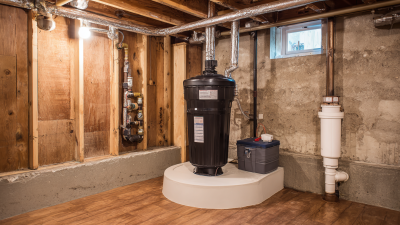
A sump pump’s backup power needs begin with its electrical load, not its advertised horsepower. Check the pump’s running watts and starting watts on the label or in the manual. Starting demand can briefly double or triple the normal load. A backup system must handle that surge without shutting down. Measure the pump during operation if possible. Real readings are more useful than guesses.
Outage length also matters. A small battery may run a pump for several hours, but heavy rain can extend that demand overnight. Battery capacity depends on watt-hours, pump cycling, and battery condition. A pump running for ten seconds every minute uses less energy than one running continuously. Test this during wet weather when it is safe. Quiet operation is helpful, but it does not replace enough capacity.
For longer outages, a properly installed generator may support the pump and other essential circuits. It must remain outdoors, away from doors, windows, and vents. Never operate fuel-burning equipment inside a home, garage, or crawl space. Use approved electrical equipment and follow local requirements. I have seen homeowners size systems perfectly on paper, then overlook a weak battery or a flooded discharge line. That mistake is easy to repeat. Inspect the battery, wiring, alarm, and check valve before storm season. Leave some extra capacity. Real basements rarely behave like test conditions.
How to Choose Backup Power for a Sump Pump?
Understanding sump pump backup power needs starts with both running wattage and motor starting surge. The chart below shows practical minimum inverter capacities for common residential sump pump sizes.
Guideline: Choose a backup system that can supply the recommended continuous wattage and handle approximately two to three times that load during startup. Actual requirements vary by pump design, discharge head, and battery or generator efficiency.
Comparing Battery, Generator, and Water-Powered Backup Options
Choosing backup power for a sump pump starts with your basement, not the equipment label. Battery systems are usually the simplest option for homeowners. They start automatically when utility power fails and can operate indoors without exhaust fumes. A typical unit may run a pump for several hours, depending on battery capacity, pump size, and discharge conditions. Test the system monthly. Batteries can weaken quietly.
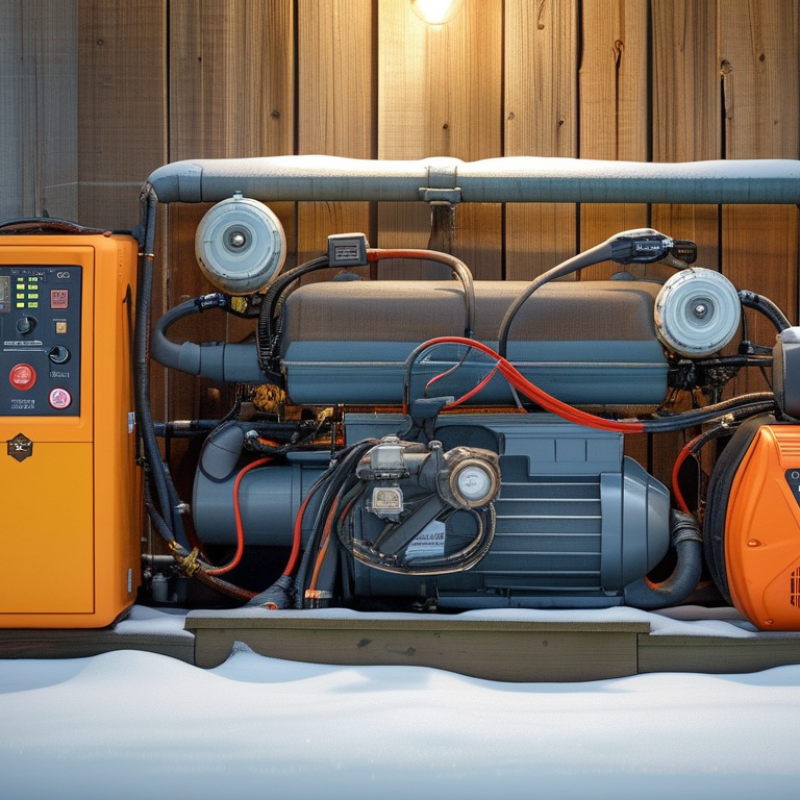
Generators provide longer runtime when fuel is available. They suit homes facing extended outages, especially during storms. However, generators require outdoor placement, safe fuel storage, regular maintenance, and proper transfer equipment. Never operate one in a basement, garage, or enclosed porch. A licensed electrician should install fixed connections. Portable models may also fail to start after months of neglect. I learned this the hard way during a winter inspection.
Water-powered backup pumps use municipal water pressure instead of electricity. They can run for days during an outage, but they consume household water and depend on adequate pressure. They may also be unsuitable for private wells or areas with water restrictions. Their pumping capacity is often lower than the primary electric pump. That matters during heavy rainfall. A careful comparison should include pump horsepower, discharge height, outage history, battery age, fuel access, and local water pressure. My first estimate ignored discharge height, and the backup delivered less water than expected. Get that measurement right.
Calculating Required Runtime and Battery Capacity
Backup sizing begins with runtime, not marketing wattage. The Insurance Information Institute’s 2023 homeowners-claims analysis reports that water damage and freezing represented 27.6% of claims from 2017–2021. The average claim reached $12,514. That exposure justifies conservative planning. Record the pump’s running and starting watts from its nameplate. A 1/3-horsepower pump may draw about 800 watts while operating. Its motor may briefly demand two or three times more. Test it with a plug-in power meter. Labels are estimates.
Estimate the actual duty cycle. If the pump runs 20 minutes each hour, an eight-hour outage requires 2.67 hours of pumping. At 800 watts, that equals 2.14 kilowatt-hours. Add inverter losses, battery aging, cold temperatures, and a 25% reserve. At 85% inverter efficiency, required storage becomes roughly 3.15 kilowatt-hours. A 12-volt battery bank would need about 262 amp-hours before considering discharge limits. That is not a small battery.
Use NOAA Atlas 14 precipitation-frequency data to select a realistic storm duration. Do not simply guess eight hours. IEEE 485 battery-sizing practice also supports adjustments for aging and temperature. Real basements are messier than spreadsheets. A float switch may cycle more often than expected. Batteries can deliver less under heavy loads. Measure one storm if possible, then recalculate. I would rather find a modest error now than a silent pump at 3 a.m.
Checking Compatibility, Installation, and Safety Requirements
How to Choose Backup Power for a Sump Pump?
A backup power system must match the sump pump’s electrical demand. Check the pump’s voltage, running watts, and startup surge before purchasing anything. Startup power can briefly exceed the listed running wattage. That detail is easy to miss.
Battery backups often suit homes with frequent storms and short outages. A generator may provide longer operation, but it must remain outdoors, away from doors, windows, and vents. Never operate fuel-powered equipment inside a basement or garage. Confirm that the backup system produces stable power for the pump’s motor. Some pumps may hum, overheat, or fail with incompatible output. A qualified electrician should verify wiring, grounding, and transfer equipment. Local electrical requirements still matter.
Tips: Test the system every few months. Lift the float switch and watch the pump start. Inspect battery terminals for corrosion and replace aging batteries before storm season. Keep the discharge line clear of ice, leaves, and loose soil. Do not place electrical connections where floodwater can reach them. A higher-capacity battery is not automatically safer. Poor ventilation, loose connections, or an undersized cable can create serious hazards. I would also record the test date, because memory becomes unreliable during an emergency.
Installation should include a secure, dry mounting location above likely flood levels. Leave enough space for inspection and battery replacement. Read both manuals, even when the setup seems simple. A neat installation can still be wrong. After installation, simulate a power failure and check that the pump drains water without repeated cycling.
Creating a Maintenance and Testing Schedule
How to Choose Backup Power for a Sump Pump? Creating a Maintenance and Testing Schedule
A backup power system is only useful when it starts during a storm. Create a simple schedule before choosing battery capacity or generator output. Test the sump pump every month by lifting the float switch. Confirm that water leaves the pit quickly and the check valve closes without hammering. Keep the test practical. A dry-run test alone can hide blocked discharge lines.
Inspect the backup battery monthly for swelling, corrosion, loose terminals, and unusual heat. Record voltage, test date, pump runtime, and observed faults. Many homeowners skip this log. That is a mistake worth admitting. Replace batteries according to measured performance, not appearance alone. During severe-weather season, perform a full load test after every major outage. The system should operate long enough for your local drainage risk, not an assumed national average.
Use local rainfall data to refine the schedule. NOAA Atlas 14 provides precipitation-frequency estimates for different return periods, while FEMA’s National Risk Index evaluates flood exposure, expected annual loss, and community resilience. These reports support a risk-based plan rather than a generic calendar. If your area approaches its design rainfall, test the backup twice that month. NFIP claim data also show that flooding affects properties beyond mapped high-risk zones. Keep discharge outlets clear, inspect extension connections, and store replacement parts above the basement floor. Two minutes of preparation can reveal an expensive failure.