How to Choose the Best Electric Sump Pump for Your Home?
Choosing the best electric sump pump for your home can be daunting. With flooding being a common issue, having the right pump is essential. According to the American Society of Home Inspectors, about 60% of homes in the U.S. face moisture-related problems. An effective electric sump pump can help mitigate this risk by removing excess water from your basement or crawl space.
Electric sump pumps come in various types and capacities. Selecting the correct model is crucial for efficiency. For example, a pump with a higher horsepower can handle larger volumes of water. Yet, many homeowners overlook this aspect, leading to suboptimal performance and potential flooding. According to industry reports, the average costs of water damage can range from $1,000 to $5,000. Investing wisely in a sump pump can save you from significant expenses in the long run.
The reliability of an electric sump pump is another important consideration. Look for pumps with solid warranties and positive customer reviews. However, remember that even the best pumps may require maintenance. Not all homeowners are prepared for troubleshooting or repairs. Understanding these aspects will empower you to choose a pump that suits your needs best.
How Electric Sump Pumps Work: Understanding the Mechanics
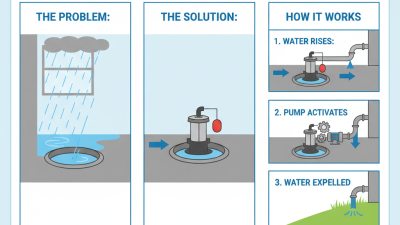
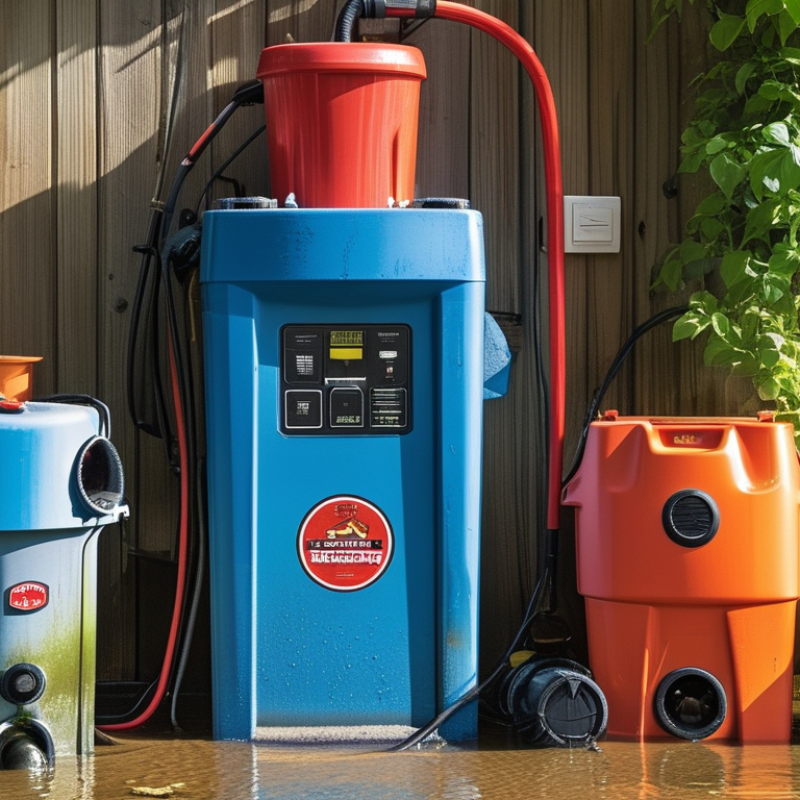
Electric sump pumps are essential for keeping basements dry. Understanding how they operate can help you select the best unit for your home. These pumps work by using an electric motor to drive a pump impeller, which removes excess water. The device sits in a sump pit, collecting water that seeps in. When the water level rises, a float switch activates the pump to remove the water.
Choosing the right electric sump pump involves considering various factors. The horsepower and capacity of the pump matter significantly. A higher horsepower means faster water removal. Additionally, check the pump's discharge height. This indicates how high the pump can push water. Often, homeowners overlook maintenance. Regularly inspecting the system can prevent failures during heavy rains.
There might be occasions when the pump fails to activate. Power outages or clogged pumps can lead to water accumulation. Investigating these issues can save you from costly repairs. Consider a backup system as a precaution. It's wise to know the location of your pump and ensure access for inspections. Knowledge of your sump pit dimensions is equally important for choosing an appropriate model.
Key Features to Evaluate When Choosing an Electric Sump Pump
When selecting an electric sump pump, understanding key features is essential. Start with the pump's horsepower, which indicates its capability. A pump with at least 0.5 HP is often adequate for most residential settings. Consider the discharge size too. Common options include 1.5-inch and 2-inch outlets. A larger discharge frees water faster and reduces clogging risks.
Next, look at the pump's construction material. Durable materials, like cast iron or thermoplastic, can withstand years of use. A reliable float switch is vital for automatic operation. Ensure it has a backup system for redundancy. Battery-operated backup pumps can be life-saving during power outages.
Evaluate the pump's flow rate, which measures how much water it can move in a specific time. This rate varies based on depth and height. Understanding your home's water accumulation can guide you. Some pumps are designed for shallow basements, while others excel in deeper settings. Assessing these details can help avoid costly mistakes.
Comparing Sump Pump Capacities: GPH and HP Ratings Explained
When choosing an electric sump pump, understanding GPH and HP ratings is crucial. GPH stands for gallons per hour, indicating how much water a pump can move. A higher GPH means better performance for larger areas. For instance, homes located in flood-prone zones often require pumps with higher capacities to efficiently manage excess water.
On the other hand, HP, or horsepower, reflects the power of the pump's motor. A sump pump with a higher HP rating usually handles more demanding tasks. However, many homeowners overlook this detail, focusing solely on GPH. It's essential to balance both ratings based on your specific needs.
Installing a pump that exceeds your home’s requirements can lead to inefficiency. A pump that’s too small may struggle during heavy rains. Be cautious about confusing your home’s size with the pump capacity. Take the time to calculate your basement's volume and potential water inflow accurately. This ensures your chosen pump truly fits your home’s unique situation. Failure to do so may result in repeated issues and potential damage.
The Importance of a Backup System for Your Sump Pump
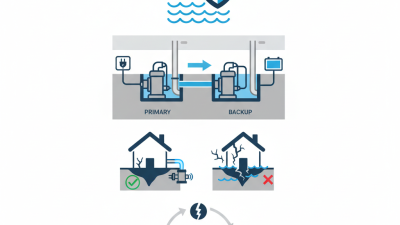
A reliable sump pump is crucial for protecting your home from flooding. However, even the best pumps can fail due to power outages or mechanical issues. Research indicates that up to 60% of homes with basement systems experience some water intrusion. This highlights the necessity of having a backup system in place.
A backup sump pump can be a lifesaver during extreme weather or unexpected events. Professional reports suggest that homes equipped with backup systems can reduce flood damage by up to 50%. These systems often use battery power, ensuring operation even when the electricity goes out. Homeowners should also consider alarm systems that signal pump failures or high water levels, providing real-time alerts for intervention.
It is not uncommon for homeowners to overlook the importance of backup systems. They might assume their primary sump pump will always function optimally. Regular maintenance and testing of both primary and backup pumps can mitigate this risk. Keeping spare batteries and additional tools handy is also advisable. This preparation can greatly enhance a home's resilience against flooding, acknowledging that even small oversights can lead to significant consequences.
How to Choose the Best Electric Sump Pump for Your Home? - The Importance of a Backup System for Your Sump Pump
| Feature |
Description |
Importance |
| Horsepower |
Refers to the power of the pump; ranges from 0.5 to 1.5 HP. |
Higher horsepower allows for faster water removal, suitable for larger basements. |
| Flow Rate |
Measured in gallons per hour (GPH), indicates how quickly the pump can remove water. |
A higher GPH means better performance during heavy rain or floods. |
| Type of Switch |
Includes vertical float switch, tethered float switch, and electronic switches. |
Different types provide various levels of reliability and space requirements. |
| Backup System |
Secondary pump system usually battery-operated to prevent failures. |
Crucial during power outages or pump failure scenarios. |
| Warranty |
Duration of coverage that protects against defects in material and workmanship. |
A longer warranty indicates manufacturer trust in their product’s longevity. |
| Durability |
Material quality and construction standards of the pump. |
Essential to ensure the pump can withstand harsh operating conditions. |
Maintaining Your Electric Sump Pump: Best Practices and Tips
Maintaining your electric sump pump is crucial for effective performance. Regular inspections are essential. According to industry experts, 60% of sump pump failures result from neglect. Check the pump monthly for unusual noises or vibrations. Look for any visible damage, such as cracks or leaks. If the pump is not working, it may lead to flooding.
Keep the discharge line clear. Blockages can cause the pump to overwork. A study by the Water Research Foundation indicates that 30% of residential flooding occurs because of improper drainage. Clear debris and ice from the outlet. This simple step can significantly enhance the efficiency of your pump.
Test your sump pump every three to four months. Fill the sump pit with water to see if it activates. If it doesn't start, it may not perform during heavy rain. Installing a battery backup can provide peace of mind during power outages but requires regular checks too. Remember, even reliable pumps need monitoring. Being proactive can save you from costly repairs and major issues down the road.
Best Electric Sump Pump Performance Comparison
This chart illustrates the performance of various electric sump pumps based on their capabilities in gallons per hour (GPH). When selecting the best pump for your home, consider the required capacity, especially during heavy rain or flooding situations. Higher GPH ratings indicate more efficient pumps that can handle larger volumes of water.