10 Essential Tips for Choosing and Maintaining Your Sump Pump
When it comes to safeguarding your home from water damage, investing in a reliable sump pump is essential. According to the American Society of Home Inspectors, nearly 60% of American homes experience some form of water damage during their lifetime. A sump pump serves as a critical line of defense against basement flooding, protecting not only your property's structural integrity but also its value. The average cost of water damage repairs can range from $2,000 to over $25,000, making a sump pump a cost-effective solution for homeowners.
Choosing the right sump pump and maintaining it effectively are key factors in ensuring it performs optimally when needed most. The National Flood Insurance Program reports that just one inch of water can cause extensive damage, underscoring the importance of having a functioning sump pump in flood-prone areas. Proper installation, regular testing, and scheduled maintenance can extend the life of your sump pump and enhance its efficiency. In this article, we will explore ten essential tips that will guide homeowners in selecting and caring for their sump pumps, ensuring peace of mind against the inevitable challenges posed by water intrusion.

Understanding the Different Types of Sump Pumps Available
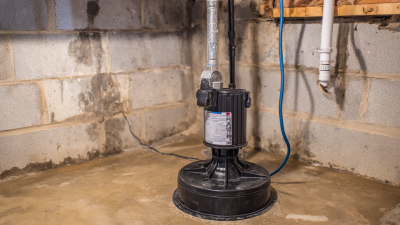
When it comes to sump pumps, understanding the different types available can significantly influence your choice and its effectiveness in your home. The most common types are submersible and pedestal sump pumps. Submersible pumps are designed to be installed beneath the water level in a sump pit, making them less noisy and able to handle larger volumes of water more efficiently. Their sealed motor prevents water from causing damage, allowing them to run continuously without fear of malfunction. On the other hand, pedestal pumps are situated above the pit, making them easier to access for maintenance. While they tend to be more affordable, they may not handle heavy flooding as effectively as their submersible counterparts.
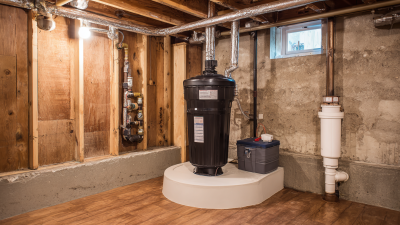
Another important type is the battery backup sump pump. This system is essential for homes in areas prone to power outages during storms. A battery backup pump kicks in as soon as the primary pump fails or if water levels rise too high, providing peace of mind. Additionally, there's the combination pump which integrates both a primary pump and a battery backup in one unit, ensuring seamless operation during adverse conditions. Understanding these types allows homeowners to make informed decisions about which sump pump system would best suit their needs based on their location, the specific conditions of their property, and their maintenance preferences.
Types of Sump Pumps and Their Features
Key Factors to Consider When Choosing a Sump Pump for Your Home
When selecting a sump pump for your home, several key factors should guide your decision-making process. First, consider the specific type of sump pump that best suits your needs — submersible or pedestal. Submersible pumps are designed to be placed in the sump basin, making them more efficient and quieter in operation, while pedestal pumps sit above the basin and may be easier to maintain. Understanding the layout of your basement and the frequency of flooding in your area can help you determine which type will provide optimal performance.
Next, evaluate the pump's horsepower and capacity, as these determine how effectively your sump pump can handle water removal. Generally, a higher horsepower pump will move water more quickly, which is crucial during heavy rainfall or flooding events. Additionally, check the pump's flow rate, measured in gallons per hour (GPH), to ensure it can keep up with the volume of water you might encounter. It's also wise to consider the vertical lift capability, especially if your discharge location is uphill from the sump pump. Making informed choices on these factors will significantly enhance your home’s protection against water damage.
Essential Features to Look for in a Quality Sump Pump
When selecting a sump pump, it’s crucial to consider its core features to ensure effective performance and durability. A reliable sump pump typically includes a high-quality motor rated for continuous operation, ideally with a minimum horsepower of 1/2 HP. According to industry statistics, pumps with higher horsepower can handle larger volumes of water more efficiently, which is especially important for homeowners in flood-prone areas. Additionally, the pump should have a robust build, featuring thermoplastic or cast-iron materials to withstand damp conditions and potential impacts.
Another essential feature to look for is the discharge size. A discharge diameter of at least 1.5 inches is recommended, as this allows for faster water removal and minimizes the risk of clogging. It's also vital to ensure the pump comes with a reliable float switch, which activates the pump when water levels rise. Studies show that float switches are responsible for approximately 90% of pump failures, highlighting the significance of choosing a model with a dependable activation mechanism. Lastly, consider models with battery backup options, particularly in regions where power outages coincide with heavy rainfall, ensuring that your home remains protected even during emergencies.
Routine Maintenance Tips to Extend the Lifespan of Your Sump Pump
Routine maintenance is crucial for extending the lifespan of your sump pump and ensuring it operates efficiently when needed most. Regularly check the pump to ensure it is free of debris and obstructions. Inspect the sump pit for signs of dirt or sediment accumulation that can hinder the pump's performance. A clean pit allows the pump to operate smoothly and reduces the risk of clogs, ensuring water is effectively drained away from your home.
Additionally, testing your sump pump periodically is essential. Fill the sump pit with water to see if the pump activates and removes the water promptly. If the pump fails to turn on or struggles to discharge water, it may be time for repairs or replacement. Also, you should inspect the power source and make sure that backup systems, such as battery-operated pumps, are functioning correctly to provide peace of mind during power outages. By integrating these simple maintenance practices into your routine, you can significantly prolong the life of your sump pump while safeguarding your home against water damage.
Signs That Indicate Your Sump Pump Needs Repair or Replacement
A sump pump is a crucial device for preventing water damage in basements and crawl spaces. Recognizing the signs that indicate your sump pump needs repair or replacement is essential for maintaining a dry home environment. According to a report by the American Society of Home Inspectors, approximately 60% of homes encounter some form of water damage, making effective sump pump maintenance vital.
If your sump pump runs frequently, it may suggest that it is overworked or has been incorrectly sized for your basement. A typical sump pump should cycle infrequently during dry seasons; if it operates more than once per hour, it's time to assess its functionality. Additionally, any unusual noises, such as grinding or rattling, can signal internal issues that may lead to failure. A study from the National Association of Home Builders indicates that replacing a failing sump pump can cost homeowners approximately $1,500 on average, highlighting the importance of early detection.
Another critical indicator is the presence of water pooling near the sump pit or on the basement floor. This can suggest a clogged discharge pipe or a failing pump mechanism. The EPA recommends conducting regular inspections and maintenance to catch these issues early, as waiting until there is visible water damage can significantly increase repair costs. By being vigilant about these warning signs, homeowners can ensure their sump pump operates effectively and mitigate the risk of costly water damage.
10 Essential Tips for Choosing and Maintaining Your Sump Pump - Signs That Indicate Your Sump Pump Needs Repair or Replacement
| Tip Number |
Tip Description |
Signs of Repair/Replacement |
| 1 |
Determine the required capacity for your pump. |
Pump struggles to handle water influx. |
| 2 |
Choose a pump with a good warranty. |
Warranty period has expired or no service coverage available. |
| 3 |
Install a backup power source. |
Pump fails during power outages. |
| 4 |
Regularly inspect your sump pump. |
Visible wear or rust on components. |
| 5 |
Maintain clear discharge lines. |
Water backing up in the sump basin. |
| 6 |
Check the sump pit condition. |
Cracks or damages visible in the pit. |
| 7 |
Test your sump pump regularly. |
Pump runs but cannot empty the basin. |
| 8 |
Replace your sump pump every 5-7 years. |
Unusual noises or vibrations during operation. |
| 9 |
Follow manufacturer maintenance recommendations. |
Manual states overdue maintenance intervals. |
| 10 |
Consider professional assistance for installation. |
Frequent malfunctions post-installation. |