How to Fix Sump Pump Failure and Prevent Flooding Issues?
Sump pump failure can lead to severe flooding issues in your home. When the system stops working, water can quickly accumulate in basements or crawl spaces. This situation can be stressful and expensive to resolve. It’s crucial to address these failures promptly and effectively.
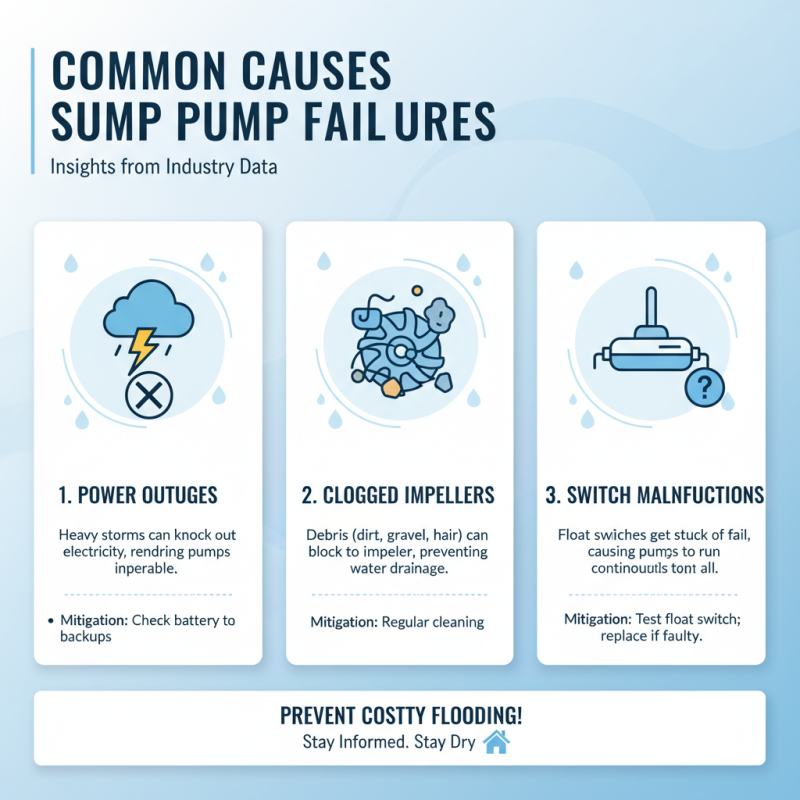
Understanding the causes of sump pump failure is key to preventing future problems. Common reasons include mechanical defects, power outages, or clogged discharge lines. Regular maintenance can help identify these issues before they escalate. For instance, checking the float switch and cleaning filters can ensure your pump operates efficiently.
Ignoring sump pump maintenance can result in costly damages. Flooding not only damages your property but can also lead to mold growth. This poses health risks for your family. It's important to invest time in preventative measures. Routine checks and prompt repairs are essential for a reliable system. Be proactive in safeguarding your home against flooding risks.
Understanding the Importance of Sump Pumps in Flood Prevention
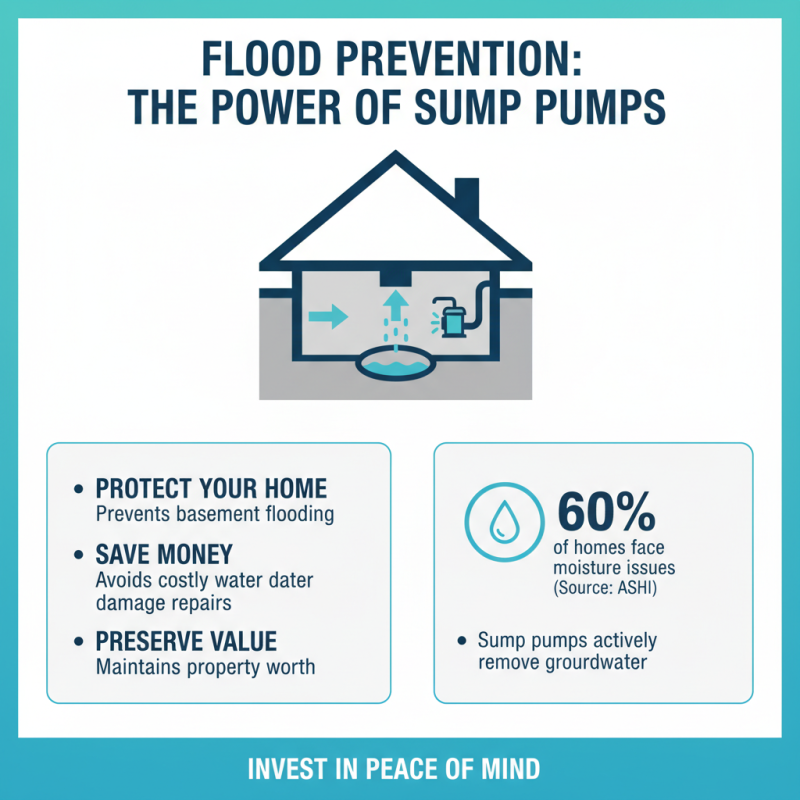
Sump pumps are crucial for preventing flooding in basements and crawl spaces. According to the American Society of Home Inspectors, about 60% of homes experience moisture issues, making sump pumps essential for homeowners. These devices actively remove groundwater, minimizing the risk of water damage. Investing in a sump pump can save thousands in repair costs and preserve property value.
Regular maintenance is important. A malfunctioning sump pump during heavy rain can lead to disaster. A survey by the National Association of Realtors found that homes without sump pumps are 50% more likely to experience significant water damage. Homeowners should check their sump pumps bi-annually, ensuring they operate effectively.
However, even the best pumps can fail. Over 30% of sump pumps fail to operate when needed due to improper installation or lack of maintenance. This statistic highlights a need for continual education on sump pump care. Understanding how these systems work can empower homeowners to prevent flooding issues effectively.
Step-by-Step Guide to Diagnosing Sump Pump Issues Effectively
When diagnosing sump pump issues, it's essential to understand the common problems that can arise. Industry reports suggest that nearly 60% of homeowners experience some form of sump pump failure. This often results from power outages, clogging, or equipment age. Regular maintenance checks can help identify these issues early. A simple inspection of the sump pit can reveal blockages. Ensure the float switch is functioning properly. A malfunctioning float switch may lead to flooding.
Another critical step is to test your pump regularly. Experts recommend running the pump with a bucket of water. This action verifies that the pump activates and drains effectively. If the pump fails to start, it may require repair or replacement. Additionally, many homeowners overlook the importance of a battery backup system. During severe storms, power outages are a real risk. A backup system can mitigate flooding, providing peace of mind.
Finally, consider the sump pump discharge line. It should be clear and direct water away from the foundation. Clogs here can lead to backup issues. Poor discharge can cause severe damage to your property. Addressing these issues before they escalate ensures your sump pump functions optimally. Remember, frequent observations and maintenance are key to preventing costly repairs and flooding.
Monthly Sump Pump Issues and Maintenance Overview
This chart displays the number of sump pump issues reported and the maintenance performed each month. The goal is to highlight trends in sump pump performance and maintenance frequency to help homeowners take proactive measures against flooding issues.
Preventive Maintenance Practices to Extend Sump Pump Lifespan
Regular maintenance is crucial for extending the lifespan of your sump pump. Start by inspecting the pump every few months. Check for any debris or clogs in the inlet screen. A clean inlet ensures proper water flow and reduces strain on the motor. If you notice anything unusual, address it immediately. Prevention is always better than dealing with a breakdown during a storm.
Additionally, consider testing your sump pump regularly. Pour water into the sump pit to activate it. This simple test verifies that the pump is functional. If the pump fails to turn on, it’s time for a professional inspection. Keeping an eye on the discharge line is also important. Make sure it is directed away from your foundation. This prevents water from pooling around your home, which can lead to flooding.
Don’t forget to change the battery in your backup sump pump. A dead battery can lead to disaster when the primary pump fails. Keeping spare parts on hand can also save you from being unprepared. These simple actions reflect a proactive approach to sump pump maintenance and can significantly reduce the risk of flooding. A bit of effort now can save you from costly repairs later.
Emergency Response Strategies When Sump Pump Fails During Storms
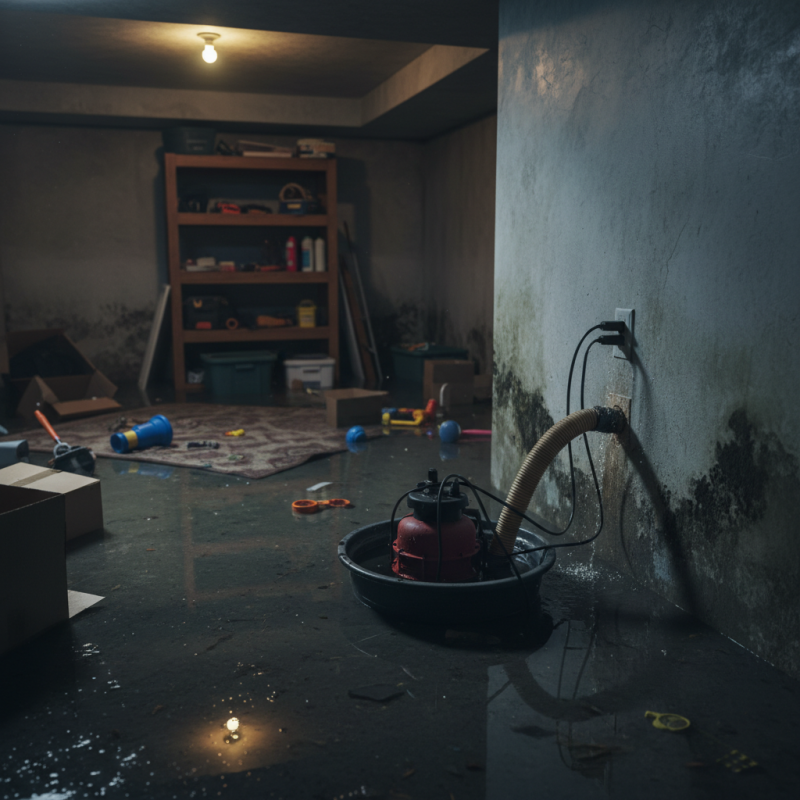
When a sump pump fails during a storm, it can lead to significant flooding. Knowing how to respond is vital. Start by assessing the situation. Look for water accumulation in your basement or crawl space. If the water level is rising, act immediately. Use buckets to remove water manually. This can help delay flooding until help arrives.
Next, check the power supply. If the pump has stopped, a tripped circuit breaker may be the culprit. Resetting the breaker might get your pump running again. Additionally, use a portable generator to power the sump pump if the electricity is out. Be cautious of safety hazards, such as electrical cords in water.
While addressing immediate issues, consider preventive measures for the future. Regularly maintain your sump pump; this includes cleaning the discharge line. Keep an eye on weather alerts. Sometimes, the worst flooding occurs unexpectedly. When storms are forecasted, prepare an emergency kit. Include a flashlight, batteries, and a first-aid kit. This preparation provides peace of mind, even if the pump fails. Reflecting on past experiences, we realize that being proactive can make all the difference.
How to Fix Sump Pump Failure and Prevent Flooding Issues?
| Issue |
Possible Causes |
Immediate Solution |
Prevention Tips |
| Pump Not Operating |
Power failure, tripped circuit breaker |
Check power supply and reset breaker |
Regularly check power connections |
| Clogged Pump |
Debris or sediment build-up |
Remove debris from pump |
Install a filter screen on intakes |
| Overworked Pump |
Excessive rainfall, high water table |
Install a backup sump pump |
Monitor rainfall and maintain drainage |
| Frozen Discharge Line |
Low temperatures |
Thaw line gently, ensure proper drainage |
Insulate pipes to prevent freezing |
| Faulty Float Switch |
Mechanical failure |
Inspect and replace float switch |
Check and maintain switch functionality |