Top Home Sump Pump Options for Effective Flood Prevention and Water Management
When it comes to safeguarding homes from the devastations of flooding, an effective home
sump pump is an indispensable ally. According to a report by the
American Society of Home Inspectors, around
60% of homes in the United States are at risk for flooding,
particularly during heavy rainfalls or snowmelt. This alarming statistic underscores the importance of investing in
reliable water management systems, namely home sump pumps, which serve to divert excess water away from
basements and crawl spaces, preventing the costly damage that can ensue.
Renowned flood protection expert Dr. Emily Carter emphasizes the critical
role of these devices, stating, “A high-quality home sump pump can be the last
line of defense between a homeowner and the devastating effects of water intrusion.” The market offers a wide range
of sump pump options, each designed to meet different needs and conditions.
Thus, selecting the right model becomes essential for effective flood prevention. By examining the top home sump
pump options available today, homeowners can fortify their properties against the pervasive threat of water damage
while ensuring peace of mind during inclement weather.
Understanding Sump Pumps: Types and Functions
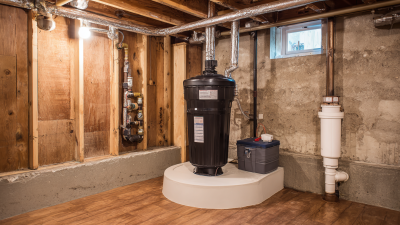
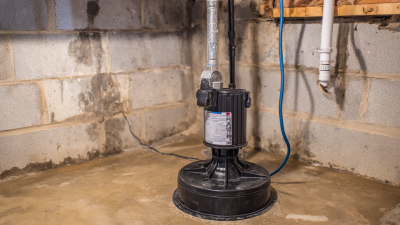
Sump pumps play a crucial role in flood prevention and water management in homes. They are designed to remove accumulated water from basements and crawl spaces, thus protecting properties from water damage. There are mainly three types of sump pumps: submersible, pedestal, and battery backup pumps. Submersible pumps are ideal for larger volumes of water, as they operate below the water level, while pedestal pumps are typically easier to maintain and suitable for areas less prone to flooding. Battery backup pumps provide extra security during power outages, ensuring continuous operation even when the main power supply fails.
When choosing a sump pump, consider the size of the area you need to protect and the volume of water you expect to deal with. **Tip:** Always opt for a pump with a higher capacity than your estimated water inflow to ensure you are well-prepared for unexpected heavy rains. Additionally, check the pump’s features, such as the float switch operation and the warranty period, to ensure you make a reliable investment.
Regular maintenance is essential for effective operation. **Tip:** Inspect your sump pump at least once a year, testing it by pouring water into the basin to verify it activates properly. This proactive approach can save you from dealing with significant water issues down the line.
Key Features to Look for in a Home Sump Pump
When selecting a home sump pump, several key features should be prioritized to ensure effective flood prevention and optimal water management.
First and foremost, consider the pump's horsepower, as this directly affects its ability to move water efficiently.
A pump with at least 1/3 horsepower is typically sufficient for residential use,
but larger homes or areas prone to heavy flooding may require a 1/2 horsepower or greater model.
Additionally, the material and construction of the sump pump are crucial for longevity and reliability.
Look for pumps made from durable materials, such as stainless steel or
reinforced thermoplastic, which can withstand corrosion and wear from water exposure.
A reliable motor is also essential; models featuring thermal protection will prevent overheating, thereby extending the lifespan of the pump.
Furthermore, it’s beneficial to choose a sump pump with a solid warranty, as this adds an extra layer of security for your investment.
Lastly, consider additional features like a backup battery system,
ease of installation, and maintenance requirements, as these can significantly impact the pump's overall effectiveness in home flood prevention.
Top Brands and Models of Sump Pumps for Homeowners
When considering the top brands and models of sump pumps for homeowners, it's essential to understand the nuances of the North America utility pump market. As of recent reports, the market has shown a steady growth trajectory, anticipated to expand significantly in the coming years. The rise in awareness regarding flood prevention and water management has driven homeowners to invest in high-quality sump pumps, with submersible pumps leading the pack due to their efficiency in handling large volumes of water.
Submersible and transfer pumps are gaining significant traction, particularly in regions prone to heavy rainfall and flooding. Industry analysis highlights that the demand for submersible pumps is projected to account for over 45% of the overall market share, attributed mainly to their versatility and performance in various applications. Furthermore, dewatering pumps are emerging as a vital component in construction and industrial sectors, showcasing the evolving landscape of utility pumps and their importance in effective water management solutions for homeowners.
With these trends in mind, the choice of a reliable sump pump is not just a matter of convenience but a crucial investment in safeguarding residential properties against potential water damage.
Installation Guidelines for Effective Sump Pump Operation
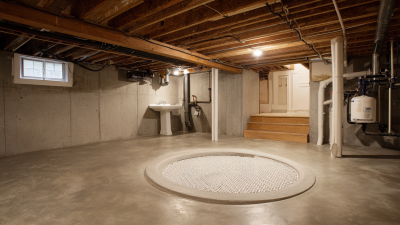
When considering the installation of a sump pump for effective flood prevention and water management, there are several key guidelines to ensure optimal operation. First, selecting an appropriate location for the sump pump is crucial. The sump pit should be positioned in the lowest point of your basement or crawl space, ideally near a floor drain or a discharge point. Ensure that the area is clean and free of debris to facilitate smooth operation.
**Tips:** Before installation, check local building codes regarding sump pump requirements. Having the necessary permits can save you from potential fines or complications down the line.
Proper installation includes securely connecting the pump to a discharge pipe that routes water away from the foundation of your home. It is advisable to use a check valve to prevent water from flowing back into the sump pit after the pump turns off. This simple addition can significantly enhance the efficiency of your system.
**Tips:** Regularly inspect and maintain the sump pump, including testing it monthly to ensure it operates correctly during heavy rains. Consider installing a backup pump or battery-operated system for peace of mind in case of power outages.
Maintenance Tips for Long-Lasting Sump Pump Performance
Regular maintenance is crucial for keeping your sump pump in optimal working condition, especially when anticipating heavy rainfall. One of the simplest yet most effective maintenance tips is to check the pump's discharge line for blockages. Ensuring that water can flow freely from the pump helps prevent stagnation and potential freeze-ups during colder months. Additionally, test the pump's operation by pouring water into the sump pit—this simulates rainfall and confirms that the pump activates and works efficiently.
Another essential tip is to clean the sump pit periodically. A clean sump pit minimizes debris, which can interfere with the float switch. Remove any dirt, gravel, or other materials that could obstruct the pump's functionality. It’s also advisable to inspect the power source and ensure that the sump pump is connected to a reliable electrical supply. Consider investing in a backup battery system to safeguard against power outages during storms, ensuring your home remains protected from flooding even at the worst times. Regularly monitoring these aspects will extend the lifespan of your sump pump and enhance its performance during critical situations.
Top Home Sump Pump Options for Effective Flood Prevention and Water Management
| Model |
Horsepower |
Pump Type |
Max Flow Rate (GPM) |
Max Head Height (ft) |
Warranty (Years) |
Maintenance Tips |
| Model A |
1/2 HP |
Submersible |
3000 |
20 |
3 |
Check for debris, test monthly. |
| Model B |
1/3 HP |
Pedestal |
2000 |
15 |
5 |
Clean the pump regularly, inspect connections. |
| Model C |
1 HP |
Submersible |
3500 |
25 |
4 |
Inspect float switch, consider backup systems. |
| Model D |
1/4 HP |
Pedestal |
1500 |
10 |
2 |
Test pump regularly, lubricate moving parts. |