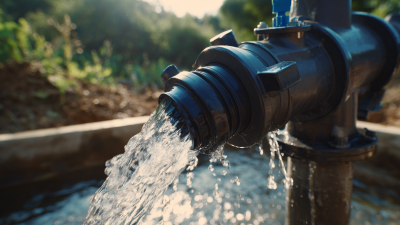
Why You Need a Water Backup Sump Pump for Ultimate Home Protection
In the realm of home protection, ensuring the integrity of your basement and overall property is paramount, especially in regions prone to heavy rainfall or flooding. According to the National Flood Insurance Program, roughly 20% of flood claims come from properties outside of high-risk flood areas, highlighting the unpredictable nature of water-related disasters. A reliable water backup sump pump plays a crucial role in safeguarding your home against excess water intrusion, acting as a secondary line of defense when your primary sump pump fails or when power outages occur.
Moreover, the Basement Health Association reports that nearly 60% of all basements and crawl spaces in the United States experience some form of water damage during their lifetime. This staggering statistic underscores the necessity of not only having a primary sump pump but also investing in a robust water backup sump pump. This system ensures that even during extreme weather events or pump failures, your home remains protected from potential water damage, mold growth, and costly repairs. By integrating a water backup sump pump into your home’s drainage system, you can achieve ultimate peace of mind knowing that your property is safeguarded against the unpredictable forces of nature.

Understanding the Importance of Sump Pumps in Home Flood Protection
A sump pump is an essential component in safeguarding homes against flood damage, especially in areas prone to heavy rainfall or flooding. According to data from the National Flood Insurance Program, over 90% of all U.S. disasters are flood-related, underscoring the critical need for effective water management systems. A primary sump pump alone may not suffice; that's where a water backup sump pump becomes vital. In the event of a power outage or pump failure, the backup system kicks in, ensuring that excess water is efficiently removed, thus preventing costly damage to the home’s foundation and interior spaces.
Tips: Regular maintenance of sump pumps is crucial. Check the pump's operation monthly, ensure the discharge line is clear, and inspect for any visible signs of wear or leaks. These simple steps can help extend the lifespan of your sump pump and ensure it functions effectively when needed most.
Incorporating a battery backup system is particularly beneficial. Studies show that homes with backup systems experience significantly less flood damage during extreme weather events. By investing in a backup sump pump, homeowners can gain peace of mind, knowing they have added an extra layer of protection against water intrusion that threatens property and family safety.
Why You Need a Water Backup Sump Pump for Ultimate Home Protection - Understanding the Importance of Sump Pumps in Home Flood Protection
| Aspect |
Details |
| Function |
Removes excess water from basements to prevent flooding. |
| Importance |
Protects home structure and contents from water damage. |
| Backup Type |
Battery-powered or water-powered systems available for reliability. |
| Installation Cost |
Typically ranges from $1,000 to $3,000 depending on complexity. |
| Maintenance |
Regular checks and testing recommended every six months. |
| Common Failures |
Power outages, pump malfunctions, or clogging. |
| Benefits of Backup |
Ensures continued operation during outages or primary pump failures. |
| Environmental Impact |
Reduces risk of water contamination and protects local ecosystems. |
Statistics on Water Damage: The Need for Backup Systems
Water damage is a significant threat to homes across the United States, with statistics revealing that approximately 14,000 people experience a water damage emergency every day. This alarming frequency underscores the necessity for homeowners to equip themselves with effective backup systems, such as a water backup sump pump. According to a report from the Insurance Information Institute, nearly 20% of all homeowners' insurance claims are due to water damage, making it one of the most common claims submitted. Without a backup sump pump, homes are at risk of getting overwhelmed by excessive water intrusion, especially during heavy rainstorms or if municipal sewer systems fail.
In addition, the average cost of water damage repair can soar into the thousands. The Institute for Business & Home Safety notes that the average claim for water damage is approximately $8,000, with many homeowners facing even higher bills for extensive repairs. The need for backup systems becomes glaringly evident when considering that the risk of basement flooding can increase significantly if primary sump pumps fail or malfunction. Implementing a water backup sump pump can shield homeowners from potential disasters while providing peace of mind, as it ensures that water can still be effectively managed, even during the most challenging circumstances.
How Water Backup Sump Pumps Function to Prevent Flooding
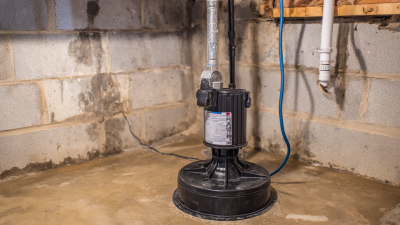
Water backup sump pumps are essential in safeguarding homes from the devastating effects of flooding. These pumps serve as a secondary line of defense in situations where the primary sump pump fails or when power outages occur during heavy rainfall. According to the Federal Emergency Management Agency (FEMA), approximately 40% of all homes in the United States are at risk of flooding, making it increasingly important for homeowners to invest in a reliable water backup system to protect their property.
The functionality of water backup sump pumps is rooted in their ability to activate automatically when the primary system is incapacitated. These pumps typically operate on battery power, ensuring that they can function even when the electricity is down. Furthermore, industry reports indicate that homes with backup sump systems can experience a significant reduction in damage costs, often amounting to thousands of dollars saved in repairs and rebuilding. By utilizing materials and designs that mitigate water intrusion, these alternative pumps play a crucial role in keeping basements dry and secure during unexpected weather events.
Equipped with features such as high-capacity discharge systems and sensors that monitor water levels, water backup sump pumps provide robust solutions to combat flooding risks. Data from the National Flood Insurance Program reveals that the average flood claim is around $30,000, underlining the financial sense behind installing a water backup sump pump. Protecting your home from potential water damage has never been more critical, and these advanced systems offer peace of mind, ensuring that your property remains safe and secure regardless of external conditions.
Key Benefits of Installing a Water Backup Sump Pump
A water backup sump pump is an essential addition for any homeowner looking to enhance their property's safety and protection from water damage. One of the primary benefits of installing a backup sump pump is its ability to provide a reliable safety net during heavy rainfall and flooding. If the primary sump pump fails or is overwhelmed by excessive water, the backup system kicks in automatically, ensuring that your basement or crawl space remains dry. This dual-layered defense is crucial in regions that experience severe weather, significantly reducing the risk of costly water damage and mold growth.
Another key advantage is the peace of mind it offers. Homeowners can rest easier knowing that they have a dependable mechanism ready to operate at a moment's notice. Many backup sump pumps are powered by a battery, allowing them to function even during power outages, which often accompany severe storms. This reliability not only safeguards valuable belongings and structural integrity but also enhances the overall value of the home, making it a smart investment for long-term property health. With such comprehensive protection, the advantages of installing a water backup sump pump are clear for any residential setting.
Industry Recommendations for Choosing the Right Backup System
When considering a water backup sump pump for your home, it's crucial to understand the factors that influence your choice. First, assess the types of backup systems available, such as battery-powered pumps or water-powered units. A battery backup system is typically more popular, as it provides reliable power during electrical outages, ensuring your basement remains dry no matter the circumstances. Look for models that come with high-capacity batteries and automatic charging features to maintain performance over time.
Tip: When choosing a backup sump pump, consider the estimated run time during a power failure. A unit that can operate for several hours without needing a recharge is ideal for areas prone to prolonged outages.
Additionally, you should consider installation requirements and space constraints. Ensure the backup pump fits comfortably in your sump pit and does not interfere with the main pump system. Some systems can be installed easily by homeowners, while others might require professional assistance. Researching installation methods and reading user reviews can help you make an informed decision.
Tip: Always check the warranty and support options available for your selected system. A longer warranty often indicates a more reliable product, providing peace of mind regarding your home protection.