Why You Need a Water Backup Sump Pump for Your Home?
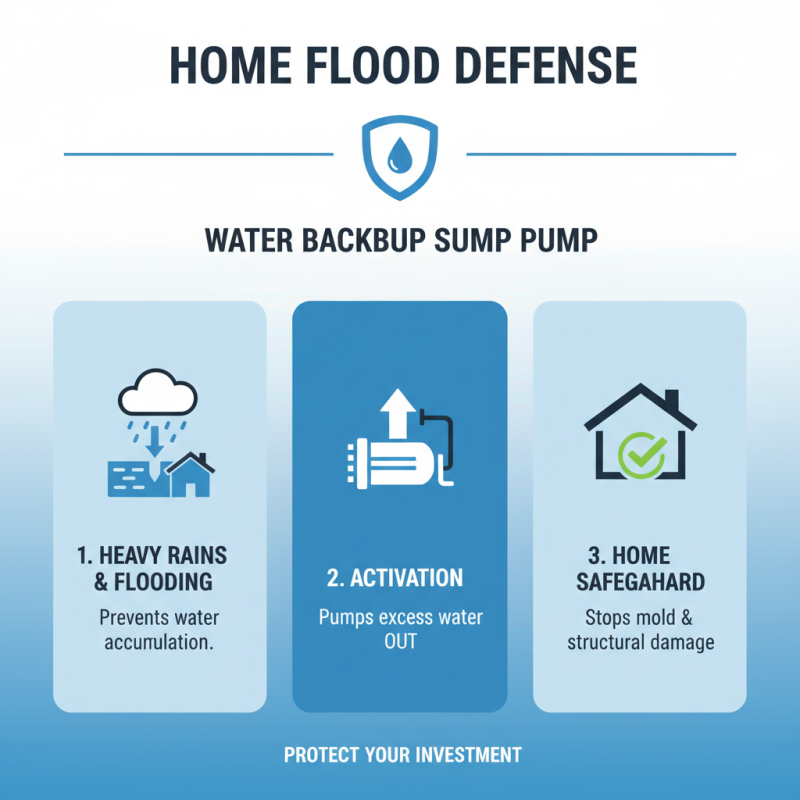
Water damage is a homeowner's nightmare. Every year, heavy rains and floods wreak havoc on basements. A reliable water backup sump pump can be a lifeline in these situations. Unlike traditional pumps, these devices work even during power outages. They ensure your basement remains dry when you need it most.
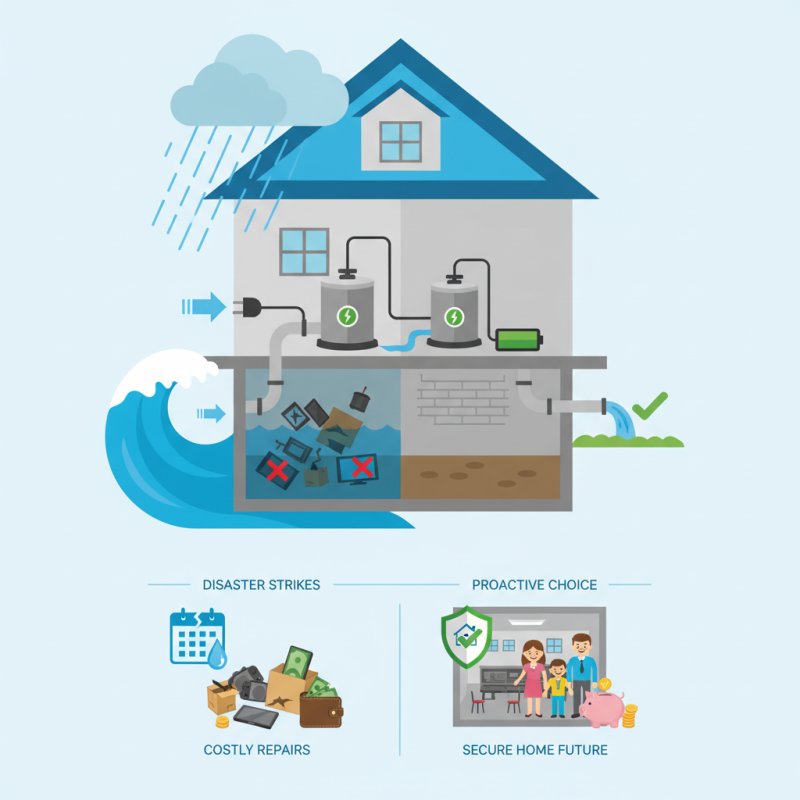
Installing a water backup sump pump is a proactive choice. It acts as a safeguard, preventing irreversible damage to your home and belongings. Imagine waking up to a flooded basement because your primary sump pump failed. The chaos and stress are often overwhelming. With a backup system, you can breathe easier knowing you have protection in place.
However, many homeowners overlook this essential component. They assume their primary sump pump will always work. This assumption can lead to costly repairs and loss. Investing in a water backup sump pump reflects a commitment to safeguarding your property. Don't wait for disaster to strike; take action now to secure your home's future.
Importance of Sump Pumps in Flood-Prone Areas
Living in flood-prone areas can be a challenge. Heavy rain and rising waters can lead to serious issues for homeowners. A sump pump is essential in these regions. It helps prevent water damage by removing excess water from basements. This reduces the risk of mold and structural damage. However, even the best pumps can fail.
Power outages during storms complicate the situation. A traditional sump pump relies on electricity. Without power, your home is vulnerable. That's where a water backup sump pump becomes crucial. It activates automatically when the primary pump fails. This simple addition can save you from costly repairs. The backup system works on battery power, ensuring your home stays dry.
Homeowners often overlook this necessity. They might think their primary pump is enough. A backup can provide peace of mind. Water damage is expensive and time-consuming to fix. Investing in a backup pump now can save you heartache later. Consider your home's safety before the next storm hits.
Why You Need a Water Backup Sump Pump for Your Home? - Importance of Sump Pumps in Flood-Prone Areas
| Dimension |
Data |
| Average Annual Rainfall (inches) |
40 |
| Homes Without Sump Pumps (%) |
30 |
| Flood Damage Costs (Average, $) |
30,000 |
| Effectiveness of Sump Pumps (%) |
95 |
| Backup Sump Pump Battery Life (years) |
5 |
| Percentage of Homes in Flood-Prone Areas (%) |
40 |
| Percentage of Homeowners with Backup Systems (%) |
20 |
Understanding How Water Backup Sump Pumps Function
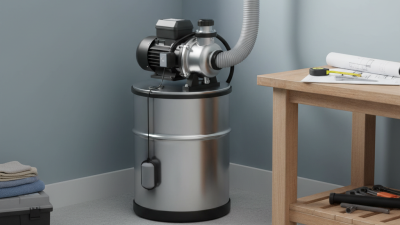
Water backup sump pumps play a crucial role in home protection. They ensure that water is managed effectively during heavy rains or plumbing failures. Understanding their function can help homeowners see their value. These pumps automatically start when the primary pump fails, providing an additional layer of safety.
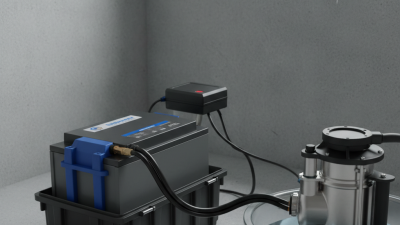
When the main sump pump cannot handle the water volume, the backup kicks in. This device usually runs on batteries, so it works even during power outages. Imagine a storm flooding your basement with nowhere for the water to go. Without a backup, you risk severe damage to your home.
These pumps also feature a float switch. This mechanism detects rising water levels and activates the pump. Yet, some homeowners may forget to check them regularly. Neglecting maintenance could lead to problems when you need it most. A functional backup system can save your home, but it's essential to stay proactive.
Key Benefits of Installing a Water Backup Sump Pump
When it comes to protecting your home, a water backup sump pump is vital. This device is a safeguard against heavy rains or flooding. It ensures that water doesn’t accumulate in your basement. Water damage can lead to mold and decay, affecting your home's structure.
Installing a backup sump pump provides peace of mind. It can automatically kick in if the primary pump fails. This kind of reliability is crucial during storms. You don’t want to risk flooded areas during severe weather. Additionally, many systems have battery backups. This feature ensures that even during a power outage, your home remains safe.
Beyond safety, a water backup sump pump can save you money. Repairing water damage can be costly and time-consuming. There's also the risk of losing valuable items in your basement. Think about the long-term benefits. Investing in this system now can prevent future headaches. Your home is one of your biggest assets; protecting it should be a priority.
Comparing Primary and Backup Sump Pump Systems
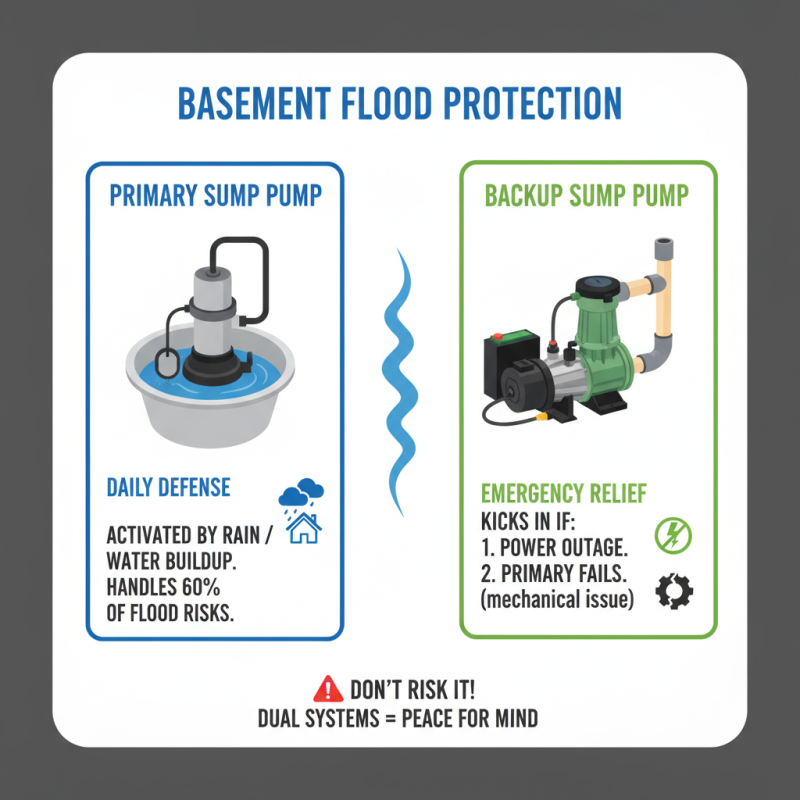
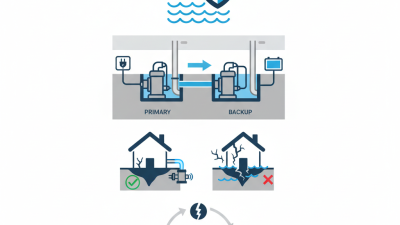
When it comes to protecting your basement from flooding, understanding the difference between primary and backup sump pump systems is crucial. A primary sump pump kicks in during typical heavy rain or water buildup. Data shows that over 60% of water damage claims arise from basement flooding. This highlights the importance of a robust primary system. However, these pumps can fail due to power outages or mechanical issues.
A backup sump pump is essential for peace of mind. This system activates when the primary pump is overwhelmed or loses power. According to industry reports, homes with backup systems experience a 70% lower risk of flood damage. This statistic underlines the necessity of having a backup in place. In situations where every minute counts, having both systems ensures continual protection against flooding. Relying solely on one pump may leave your home vulnerable.
Investing in a comprehensive sump pump system can prevent costly repairs and safeguard your home. The reality is, many homeowners overlook this necessity until it’s too late. Sump pumps may not seem critical until faced with a sudden downpour. Taking a moment to reassess your home’s preparedness can make all the difference.
Maintenance Tips for Your Water Backup Sump Pump
A water backup sump pump is crucial for any home prone to flooding. While it provides peace of mind, maintenance is key. Regular checks can help prevent unexpected failures. Inspect the batteries every few months. Make sure they are charged and in good condition. Replace them as needed to ensure reliability.
Clean the sump pit regularly. Remove any debris that could obstruct the pump. Even small clogs can lead to major issues during heavy rains. Test the pump occasionally by pouring water into the sump. This simple action can reveal any problems, helping you address them promptly.
Keep an eye on the float switch too; it's vital for operation. If it gets stuck, your system won't work. Lubricate moving parts to reduce friction and wear. Take note of any strange noises or vibrations. These could be signs of trouble. Regular maintenance may feel tedious, but it's far better than dealing with water damage.