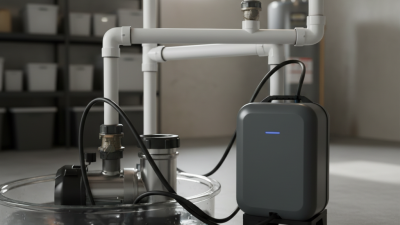
What is a Water Pressure Backup Sump Pump and How Does it Work?
A water pressure backup sump pump is an essential device for homeowners facing flooding risks. This system acts as a fail-safe during power outages or pump failures. As industry expert John Smith, a plumbing specialist at AquaSolutions, states, “A water pressure backup sump pump can save your basement from extensive water damage.”
Many homeowners underestimate the importance of this system. Often, people think that a primary sump pump is sufficient. However, heavy rain or power failures can quickly overwhelm a standard setup. When water levels rise, a water pressure backup sump pump kicks in, providing an additional layer of protection.
Investing in a reliable water pressure backup sump pump can be a game-changer. It offers peace of mind, knowing your home is safe. Yet, some may still question its reliability. Ensuring proper installation and maintenance proves vital. Remember, it's not just about having the pump; it's about how well it functions when you need it most.
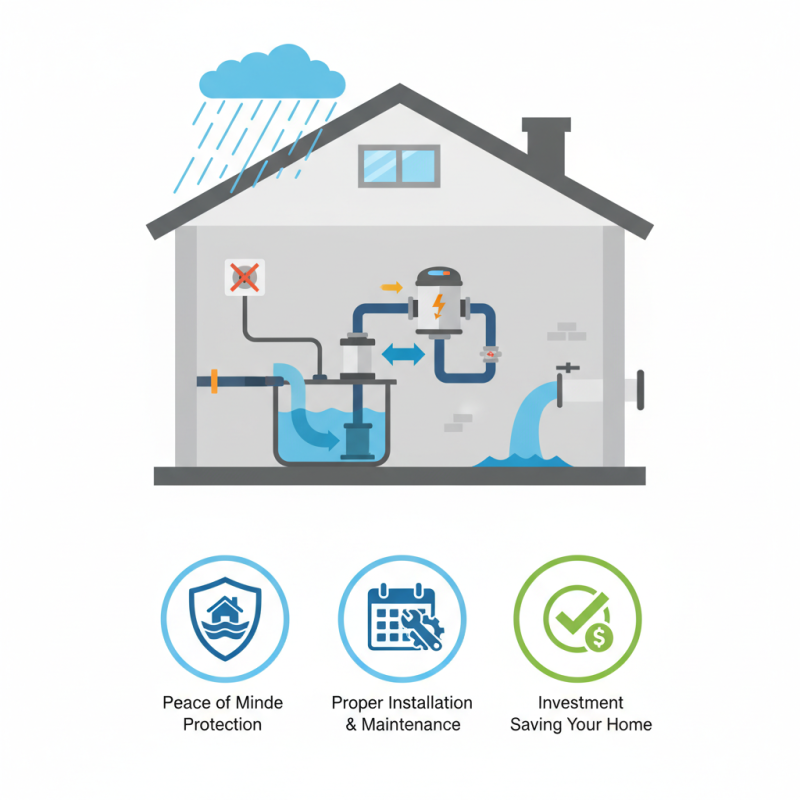
What is a Water Pressure Backup Sump Pump?
A water pressure backup sump pump is a crucial device for homeowners. It provides an alternative way to remove water from a basement during a power outage or when the primary pump fails. Unlike traditional pumps, it functions using water pressure.
When the primary sump pump is overwhelmed, the backup kicks in. It uses municipal water pressure to operate. This ensures continuous operation, especially during heavy rains or floods. According to industry reports, nearly 60% of all basements experience some form of water damage. Backup pumps can mitigate this problem effectively.
Tips: Regular maintenance is key. Check the backup system every few months. Listen for unusual sounds during operation. Ensure no debris clogs the pump. Even small issues can lead to failure.
Having a backup sump pump means investing in peace of mind. However, not all homes need one. Assess your local weather patterns and water table levels. Sometimes, the best solution is a combination of systems. It's essential to think critically about your options.
Key Components of a Water Pressure Backup Sump Pump
A water pressure backup sump pump is an essential device for preventing basement flooding. Understanding its key components helps in grasping how it protects your home. The primary part is the pump itself, usually powered by water pressure. This feature allows it to function even during power outages. It's critical for homes in flood-prone areas.
The second important element is the float switch. This device triggers the pump when water levels rise, ensuring that the water is expelled efficiently. Another crucial component is the check valve. This prevents backflow, ensuring the expelled water doesn’t return to your basement.
Regular maintenance is necessary to keep these components working properly. Neglecting small issues can lead to bigger problems. It's vital to monitor the system regularly. Sometimes, people may overlook the need for inspections and end up with unexpected flooding. Investing time in understanding these components can save homeowners from costly repairs later.
How a Water Pressure Backup Sump Pump Operates
A water pressure backup sump pump offers a reliable solution for homeowners facing flooding issues. It operates effectively during heavy rainfall or power outages. Unlike traditional pumps that rely on electricity, this system uses water pressure to function. This feature is crucial in emergencies when power failure often occurs.
The operation begins with the main sump pump. When it fails, the water pressure backup triggers automatically. The system connects to the household water supply. As water fills the sump basin, the backup pump activates through water pressure. This process effectively removes excess water, helping prevent basement flooding.
However, the efficiency of a water pressure backup sump pump can vary. The pump must be properly maintained to ensure it works optimally. Regular inspections are essential. Sometimes, dust or debris can hinder its operation. Homeowners may overlook these details, leading to potential failures. Understanding these complexities is vital for ensuring adequate protection against water damage.
What is a Water Pressure Backup Sump Pump and How Does it Work?
| Feature |
Description |
| Power Source |
Operates using water pressure from the municipal water supply. |
| Purpose |
Provides backup water disposal during power outages or pump failures. |
| Operating Mechanism |
Uses water pressure to create suction and pump water out of the sump pit. |
| Installation Location |
Typically installed alongside standard electric sump pumps in basements. |
| Maintenance Requirements |
Regular inspection and occasional flushing to prevent clogging. |
| Advantages |
Reliable backup solution, not reliant on electricity, and typically lower maintenance. |
| Cost Consideration |
Initial setup may be higher, but can save costs in long-term water damage repairs. |
Benefits of Using a Water Pressure Backup Sump Pump
A water pressure backup sump pump offers vital protection against flooding. It operates using water pressure instead of electricity, making it reliable during power outages. Homeowners greatly benefit from this system, especially in heavy rains or storms when traditional pumps may fail.
One significant advantage is its ability to kick in when the primary pump stops working. This provides peace of mind, knowing that your basement is secure. Additionally, these pumps are relatively low maintenance. They do not rely on mechanical parts that can wear out quickly.
Another benefit is energy efficiency. Water pressure backup pumps often consume less power than conventional pumps. This can lead to lower utility bills over time. However, some may find the initial installation costs to be higher. This investment is often worth it if you face frequent flooding. Ensure that you evaluate your home’s needs before making a decision.
Maintenance Tips for Water Pressure Backup Sump Pumps
Maintaining a water pressure backup sump pump is essential for its longevity. Regular checks are crucial. Start by inspecting the pump's power source. Ensure it’s plugged in and functional. A weak battery can fail you when it matters most.
Test the pump monthly; fill the sump pit with water. Observe if the pump engages and drains efficiently.
Cleaning the sump pit is another important step. Remove debris or sludge buildup. This ensures smooth operation. Consider using a wet-dry vacuum for effective cleaning.
Additionally, take time to examine the discharge pipe. Ensure it is clear from blockages. Clogs can hinder water flow, risking basement flooding.
Lastly, be mindful of the environment around your sump pump. Is the area prone to heavy rain? If so, reassess your pump’s capacity. Seasonal maintenance checks are recommended but often overlooked.
This might lead to unexpected failures. Regular maintenance will help ensure your water pressure backup sump pump works when you need it most.