What is a Sump Pump and How Does It Work in Your Home?
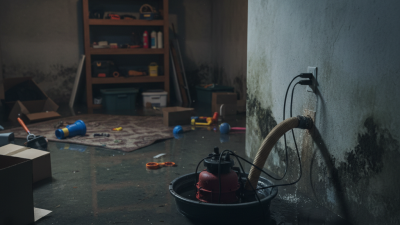
A sump pump is a crucial element in protecting homes from flooding. According to the American Society of Home Inspectors, about 60% of homes experience some water damage over time. This can lead to costly repairs and health issues from mold growth. A sump pump works by removing excess water from the basement or crawl space, which helps maintain a dry environment.
In many regions, the risk of basement flooding is a common concern. Reports indicate that homes in flood-prone areas can experience damages exceeding $50,000. Installing a sump pump can significantly reduce this risk. Understanding how these pumps function is vital for homeowners. They typically activate when water levels rise, pumping water out and away from the foundation.
However, dependency on a sump pump comes with challenges. Homeowners must regularly maintain their pumps to ensure they operate effectively. Malfunctions or power outages can lead to flooding. Awareness and proactive care can be the difference between safety and disaster. Thus, an informed approach to sump pumps can enhance home resilience against water damage.

What is a Sump Pump and Its Purpose in Residential Flood Management
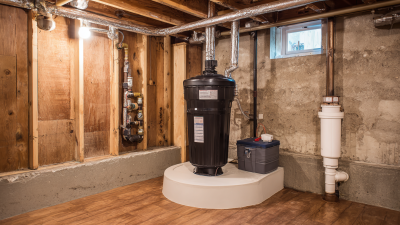
A sump pump is an essential device for managing water in homes, especially in flood-prone areas. It is usually installed in a specially constructed pit in the basement or crawl space. The primary purpose of a sump pump is to remove excess water that can accumulate during heavy rain or snow melt. By preventing water from building up, the pump helps to protect your home from potential damage.
When water levels rise, the sump pump activates automatically. It pumps the water out of the pit and away from your foundation. This process can prevent serious issues like mold growth, structural damage, and foundation cracks. However, while sump pumps are effective, they are not foolproof. Sometimes, they can fail due to power outages or mechanical issues. Homeowners should regularly inspect their sump pumps to ensure they are functioning correctly.
It’s important to select the right type of sump pump for your specific needs. Factors like the size of your home, local climate, and drainage issues play a role in your choice. Some pumps have backup power options, which can be especially useful during storms. However, installation and maintenance can sometimes be overlooked, leading to inefficiencies. Regular checks can save significant repair costs in the long run.
What is a Sump Pump and Its Purpose in Residential Flood Management
| Feature |
Description |
Benefits |
| Type |
Submersible and Pedestal |
Adaptable to different environments |
| Power Source |
Electric and Battery Backup |
Continued operation during power outages |
| Pump Capacity |
Typically 1/4 to 1/2 horsepower |
Efficient drainage in various conditions |
| Installation Location |
Basements or crawl spaces |
Prevents water accumulation in living spaces |
| Maintenance |
Regular testing and cleaning |
Ensures reliable operation and longevity |
| Cost |
Ranges from $100 to $300 for basic models |
Affordable protection against flood damage |
Types of Sump Pumps: Submersible vs. Pedestal and Their Applications
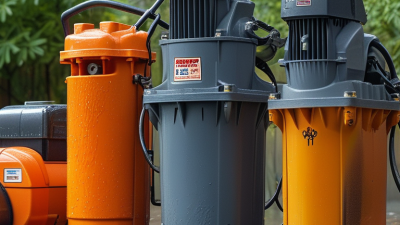
When considering sump pumps, homeowners typically choose between two main types: submersible and pedestal.
Submersible sump pumps sit below the water level in the sump pit. They are quieter and more efficient, making them a popular choice for residential use. These pumps can handle larger volumes of water and are less visible, tucked away out of sight.
On the other hand, pedestal sump pumps are mounted above the sump pit. They have a longer lifespan and are easier to maintain due to their accessible design. However, they can be noisier when operating. Their height makes them a suitable option for shallow pits, but they may struggle with larger volumes of water. Each type serves its purpose based on specific household needs, so understanding their differences is crucial.
It’s important to assess your home’s requirements before making a decision.
Check for potential water issues like flooding or drainage problems in your area. Regular maintenance is also key. Inspect the pump and its components every few months. Keeping an eye on the power source can prevent future complications. Be aware that installation is not always straightforward. You may need professional help to ensure everything is set up correctly.
Key Components of a Sump Pump System and Their Functions
A sump pump system is essential for homes in flood-prone areas. It helps manage excess water, preventing damage to foundations and basements. The main components of this system include the pump, a sump basin, and a discharge pipe.
The pump is the heart of the system. It moves water from the sump basin to the outside. The sump basin collects water, acting as a reservoir. It is usually installed in the lowest part of a basement. The discharge pipe directs water away from the house. Proper installation of these components is crucial for effective operation.
Check your sump pump regularly to ensure it functions correctly. Test it by pouring water into the basin. If it doesn’t turn on, there may be an issue. Keeping the discharge pipe clear is vital to prevent backups. Remember, neglecting your sump pump can lead to costly repairs. Regular maintenance can offer peace of mind during heavy rains.
Sump Pump Performance Overview
This chart represents key performance metrics of a sump pump system, including discharge rate, horsepower, motor efficiency, and durability. Understanding these parameters can help homeowners make informed decisions about sump pump selection and maintenance.
How Sump Pumps Work: The Pumping Process Explained
Sump pumps play a crucial role in protecting homes from water damage. They are typically installed in basements or crawl spaces, where excess water tends to accumulate. When water levels rise, the sump pump activates automatically. This process starts with a float switch that detects the water level. Once triggered, the pump moves water into a discharge pipe, directing it away from the home.
Understanding the pumping process is key. As water fills the sump pit, the pressure activates the pump. The impeller inside the pump spins, creating suction. This action pulls the water in. The design ensures efficient movement with minimal energy use. However, maintaining a sump pump is essential. A clogged filter or malfunctioning float switch can lead to problems. Regular checks can prevent failures during heavy storms.
Some homeowners may overlook these systems until it’s too late. Ignoring signs like unusual sounds from the pump or stagnant water can lead to costly damage. It’s important to seek professional advice when needed. Regular maintenance ensures durability and reliability. Investing time in understanding how sump pumps work can make a significant difference for homeowners.
Maintenance Tips and Best Practices for Sump Pump Efficiency
Regular maintenance is crucial for a sump pump's reliability. According to the American Society of Home Inspectors, nearly 60% of homes in the United States experience some form of water intrusion. This statistic highlights the importance of having a properly functioning sump pump as a safeguard against basement flooding.
To maintain efficiency, check your sump pump every three months. Remove debris and test the float switch to ensure it's working properly. A simple way to test it is by pouring water into the sump pit until the pump activates. If the pump doesn’t start, it may indicate a mechanical issue or blockage.
Additionally, homeowners should consider installing a backup power source. The Federal Emergency Management Agency reports that power outages are common during heavy storms. A backup battery can ensure that your sump pump operates even when the electricity goes out. Regularly replace the battery every two to three years to prevent unexpected failures. By following these practices, you can enhance your sump pump's performance and extend its lifespan.