What Are the Top Battery Backup Sump Pumps in 2026?
A power outage can turn a quiet basement into a serious concern, especially during heavy rain. The primary sump pump may stop just when groundwater begins rising. A battery backup can keep water moving, but its performance depends on battery condition, pump capacity, discharge setup, and how long the outage lasts. Small details matter. A narrow pit, a stuck float switch, or a partly blocked discharge line can affect real-world results.
This guide examines the top battery back up sump pumps in 2026, focusing on practical differences rather than bold promises. It considers pumping capacity, battery compatibility, alarms, controls, installation needs, and the availability of replacement parts. Product specifications and manufacturer guidance are important, but they do not tell the whole story. A system that suits a finished basement may be more than a small utility space needs; a powerful pump is not automatically the right choice.
The comparisons are intended to help homeowners ask better questions before buying. Check the expected runtime against your likely outage, and confirm that the backup system fits your sump basin and plumbing. Consider maintenance, too: batteries age, and a neglected backup may fail when called upon. No shortlist is perfect. Local water conditions and installation quality can change the outcome, so verify current specifications and consult a qualified installer when the setup is uncertain.
How Battery Backup Sump Pumps Protect Basements
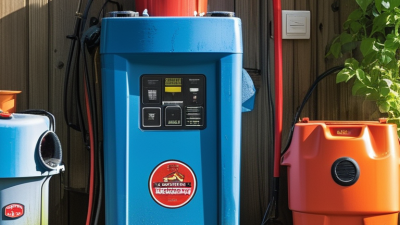
When a storm knocks out power, a primary sump pump can stop just as groundwater rises around the foundation. A battery backup keeps pumping through an outage, helping limit water around floor drains, storage boxes, and furnace equipment. It is a second line of defense, not a guarantee against flooding. Very important.
The Federal Emergency Management Agency’s National Flood Insurance Program warns that just one inch of floodwater can cause about $25,000 in damage to a home. That estimate shows why a few inches in a finished basement can become costly fast. A backup pump can move water away from the pit while the main pump is offline, buying time until power returns or help arrives. Its actual protection depends on battery capacity, pump output, and how quickly water enters.
Choose a system that matches the pump’s required flow and the home’s likely outage duration. Check the battery regularly, especially before wet-weather seasons, and test the alarm and pump using the manufacturer’s instructions. A quiet alarm with a weak battery is not much protection. Battery systems also need upkeep; terminals can corrode, and batteries age even when unused. It is easy to assume the system will work because it worked last year. That assumption deserves a test.
How Backup Pump Systems Differ in Design and Power
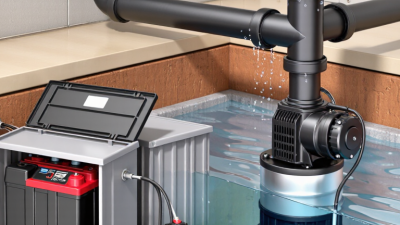
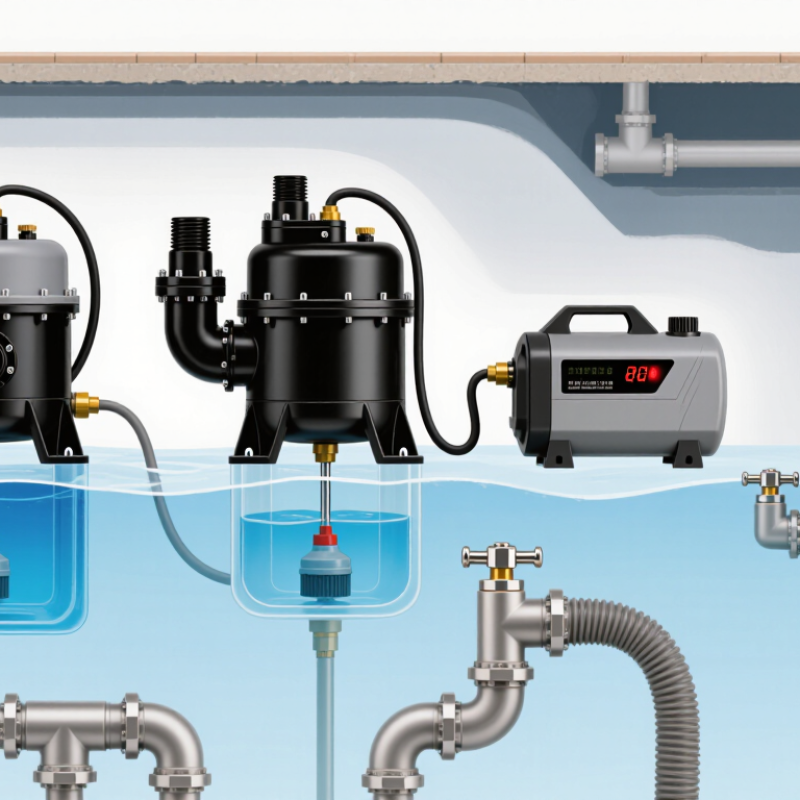
Battery backup sump systems differ mainly in how they move water and deliver power. A dedicated DC pump runs directly from a battery, avoiding inverter losses, but usually operates separately from the primary AC pump. An inverter-based system can power an AC pump during an outage, though conversion losses and startup current affect battery demand. Combination units package both pumps together. Their compact layout can simplify installation, but the pit still needs room for floats and service access.
Battery capacity alone does not predict runtime. Pump draw, battery chemistry, water height, and cycling all matter. Test flow at the actual discharge height, not just the pump’s free-flow rating. A backup pump may move less water under pressure. That matters. A blocked check valve or a float caught against the pit wall can also defeat a strong battery. UL 778 covers motor-operated water pumps; confirm that the specific pump has been evaluated to the applicable requirements.
The U.S. Energy Information Administration’s Electric Power Annual reports an average interruption duration of about 5.5 hours for U.S. customers in 2022, including major events. That figure is a useful reminder: a brief bench test does not prove overnight protection. Choose a system with a high-water alarm, test it with the primary pump disabled, and record the battery’s age. A familiar trap is trusting an amp-hour label without checking the pump’s real load.
Criteria for Comparing Battery Backup Pumps in 2026
Comparing battery backup sump pumps in 2026 means looking beyond the largest flow-rate number. Check the pump’s capacity at the vertical lift your basement actually requires, not just its rating at minimal lift. A pump rated for a high flow under ideal conditions may move less water from a deep sump pit. That difference matters during steady rain.
Battery capacity and estimated runtime deserve equal attention. Compare amp-hours, battery compatibility, and stated pumping cycles, while remembering that real runtime changes with water inflow and pump workload. Ask whether the system starts automatically when household power fails. Test the alarm. Audible alerts can help when a pit is tucked behind a utility-room door. Look for clear indicators of low battery or pump trouble, too.
Installation fit is easy to overlook. Measure the pit, check discharge-pipe connections, and confirm there is room for the backup pump beside the primary unit. Small details matter. Review maintenance steps, including how often the battery needs inspection or replacement. I would be cautious about treating any runtime estimate as a promise; inflow can change quickly, and product tests may use different conditions. A comparison is more useful when it states those conditions plainly.
Battery Backup Sump Pump Criteria: Comparing Nominal Battery Energy
Battery capacity is a key comparison point: at a nominal 12 volts, amp-hours multiplied by volts gives nominal watt-hours.
The values shown are calculated examples: 12 V × battery capacity in Ah. They represent nominal energy, not guaranteed usable energy or pump runtime. Actual runtime depends on pump power draw, water lift, battery condition, and system efficiency.
Leading Battery Backup Sump Pump Options and Their Features
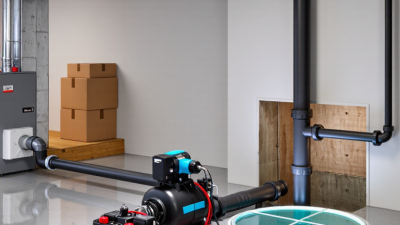
Battery backup sump pump options in 2026 generally fall into three groups: integrated backup systems, retrofit pumps, and higher-capacity setups for demanding basements. Integrated units pair a secondary pump with a charger and controls, making installation more straightforward when replacing an existing system. Retrofit models can suit a working primary pump, but the sump basin must have room for both pumps and their float switches. Space matters.
For many homes, a 12-volt backup pump offers a practical balance of cost and protection. Compare its rated flow at the actual discharge height, not just its maximum gallons-per-hour figure. Water must travel upward and through the outlet pipe, which reduces flow. Battery capacity, pump efficiency, and outage length also affect runtime. A larger deep-cycle battery may provide longer operation, but it needs a compatible charger and a ventilated, dry location.
Useful features include a high-water alarm, battery-status indicator, automatic charging, and a float switch that moves freely. Some systems send alerts, which can help when nobody is near the basement. Still, alarms cannot fix a blocked pipe or a neglected battery. Test the pump with water in the basin, check connections, and follow the battery maker’s maintenance guidance. I would not choose by price alone; even a well-equipped system may be inadequate if its pump cannot meet the home’s lift and flow needs.
How to Match Pump Capacity and Battery Runtime to Your Home
What Are the Top Battery Backup Sump Pumps in 2026?
A battery backup sump pump should be sized for the water entering your pit, not just the horsepower on its label. Check the pump’s flow rating at your actual discharge height; lifting water several feet can reduce output. During a heavy storm, note how often the primary pump cycles and estimate the incoming water volume. Compare that demand with the backup pump’s delivered flow. A narrow margin may let the pit water rise. For runtime, consider battery capacity, pump current draw, inverter losses, and battery age. A 100-amp-hour rating does not promise a fixed number of operating hours. Load and temperature matter.
Tips: Measure your pit and discharge height before shopping. Ask how long the system can run under a realistic pumping cycle, not just continuous operation. Test the float switch with water, and check that it moves freely without catching on cords or debris. Keep the battery accessible for inspection.
A larger pump is not always the better match if the battery cannot support its demand. Some homes see brief, intense inflow; others need longer, steady operation. Track your pump cycles during wet weather, then use those observations to choose capacity and runtime. It is an estimate, not a perfect forecast, so leave a practical safety margin.